
Things to Do in Chile in April
April weather, activities, events & insider tips
Low Season · Budget Friendly
April Weather in Chile
Temperature, rainfall and humidity at a glance
75°F (24°C)
High Temp
46°F (8°C)
Low Temp
0.0 inches (0 mm)
Rainfall
70%
Humidity
Is April Right for You?
Weigh the advantages and considerations before booking
Advantages
- + Come April, Torres del Paine becomes a different park entirely. The lenga beech trees, stubby, wind-sculpted hardwoods that carpet the lower hills, flare amber and deep copper. Light at this latitude shifts. Softer, lower-angled. Granite towers blush pink at dawn instead of the January bleach-white glare. Summer crowds? Gone. The W Trek no longer feels like a supermarket queue. You can hear the wind again. In Patagonia, that is its own distinct experience.
- + Harvest time in Chile's central wine valleys hits in April. The Maipo, Colchagua, and Cachapoal valleys are wrapping up their grape crush, done. Those bodegas that spent January and February in frantic harvest mode? They've finally got time for visitors. Suddenly cellar tours shift from hurried group walk-throughs to extended conversations with winemakers who can stop and talk. The new vintage is still fermenting in the tanks you're standing next to. That changes the sensory experience of the visit entirely.
- + April in Santiago is a walker's dream. Daytime temperatures of 24°C (75°F) hit the sweet spot, warm enough for long neighborhood rambles, cool enough to keep your shirt dry. Barrio Italia delivers the goods: antique shops and coffee roasters have held these same blocks for decades, their owners greeting regulars like old friends. Bellavista has a steeper climb, Pablo Neruda's museum La Chascona hides in a labyrinthine hillside garden that reveals its secrets under golden autumn light, while January's harsh glare flattens everything into postcard clichés. The summer oven heat has vanished. Yet café tables still spill onto sidewalks, no one's ready to retreat indoors.
- + April on Easter Island is the traveler's secret. The summer stampede, when every Santiago flight sells out months ahead and Ahu Tongariki's platforms jam shoulder-to-shoulder at sunrise, has finally thinned. Ocean temps still hover at 23-24°C (73-75°F), warm enough to snorkel off Anakena Beach without a wetsuit. Light hits at a lower angle than December, carving shadows that make the moai faces at Ahu Akivi and Ahu Tahai sharper, more photogenic than the flat summer sun ever delivers.
Considerations
- − April 5, 2026, that's Easter, and Semana Santa stretches March 29 through Easter Sunday. Chile is Catholic. This week dwarfs every other holiday. Long-distance buses out of Santiago sell out. Families from the capital pack the beaches south of Viña del Mar. Smaller-town restaurants and museums simply shut Thursday through Sunday, no notice, no apology. Land in Chile during this window? Book internal transport six weeks ahead. Arrive after April 6 and most of the chaos has already blown over.
- − April in Patagonia? Clock's ticking. The W Trek and the Circuit in Torres del Paine stay open, technically. Reality check: afternoon winds now hit 100 km/h (62 mph) like clockwork, not as flukes but as daily companions on every exposed ridge. Come the third and fourth weeks, sector trails and the grey glacier viewpoints shut down after storms. Temporary, sure, but definite. Horizontal Patagonian rain, sideways precipitation that soaks you from the side, can crash any day on the calendar. Don't cancel. Instead, treat every trail stage as negotiable. Flexibility isn't optional. It is survival.
- − Daylight vanishes faster than newcomers think. By late April, Santiago clocks only 12 hours of light, down from 14.5 at the December solstice. In Puerto Natales, way into Torres del Paine, dusk hits around 7:30 PM. That squeezes the window for long hikes. The magic-hour photography windows, spectacular in Patagonia's autumn, slide earlier each week through April.
Best Activities in April
Top things to do during your visit
Torres del Paine Autumn Trekking
April might be the best month in Torres del Paine, if you know what you're after. The lenga beech forests that carpet the lower slopes turn gold and rust, and morning light, lower-angled, longer-shadowed than summer, makes the granite towers glow in ways peak-season visitors rarely witness. Guanacos wander through campsites at dawn without the constant distraction of dozens of other hikers. The Full Circuit (approximately 130 km / 81 miles) and the W Trek (approximately 80 km / 50 miles) stay fully navigable in early to mid-April, and sector campsites that would have been laughable to book in January sometimes open up. Trail conditions range from firm and fast at dawn to muddy and slow after afternoon showers. Winds can top 90 km/h (56 mph) on exposed ridges near Mirador Las Torres. Trekking poles aren't optional here. The autumn color window has its own devoted following, don't assume early April availability means nobody else is thinking the same thing.
Booking Tip: CONAF-operated campsites within the park require advance online booking through the official reservation system, no exceptions, any season. For guided multi-day treks with transport from Puerto Natales included, you'll need to book through licensed operators with CONAF-certified mountain guides at least 6-8 weeks ahead. Check current options in the booking section below.
Atacama Desert Night Sky and Astronomy Tours
The Milky Way here is not a faint streak, it is a structure, wide and textured, with dark lanes you can trace with a finger, and it appears before the last twilight has finished fading. San Pedro de Atacama sits at 2,400 m (7,874 ft) above sea level in one of the driest places on Earth, and April nights are among the clearest you will find anywhere. Daytime in the Atacama in April is comfortable around 20°C (68°F), cool enough to walk the Valle de la Luna salt basin, about 15 km (9.3 miles) west of town, without the punishing heat of summer, and the shadows that fall across the wind-sculpted yellow crust in the late afternoon are long and dramatic. Note that the UV index at sea level is already 8 in April. At 2,400 m (7,874 ft) altitude with zero cloud cover, sun protection needs to be applied consistently through the day even on what feels like a mild afternoon. Nights drop to around 5°C (41°F), which demands proper insulation, the temperature swing between midday and midnight is one of the defining physical sensations of a stay in the high desert.
Booking Tip: New-moon slots vanish first. Astronomy tours with computer-guided professional telescopes fill quickly around new moon nights when skies are darkest, book at least 10-14 days ahead. Confirm the equipment quality before you pay. The gap between a rock-solid mount and a tourist-grade refractor is enormous. See current options in the booking section below.
Colchagua Valley Wine Harvest Experience
180 km (112 miles) south of Santiago, the Colchagua Valley is finishing harvest in April, air thick with fermenting grape juice drifting from winery doors at dawn. You'll hear pumps thumping across the road. The place is alive. Winemakers are on-site, happy to march you straight onto the production floor, tanks still burping new wine, that earthy-sweet rot-and-yeast punch of active fermentation, instead of shuffling you off to a polite barrel cave and tasting table. The valley's big names have run since the 1980s and they'll lead you into proper underground caves kept at 12°C (54°F) no matter how hot it gets outside. Base yourself in Santa Cruz, the valley's hub: permanent wine and history museum, artisan market, enough going on to give the trip backbone beyond the vines. Colchagua on a weekday in April is easy. Wait for the weekend and Santiago day-trippers crowd the roads.
Booking Tip: Weekday winery slots vanish a week ahead, weekends in April need two. The Santa Cruz Wine Train rolls from Estación Central in Santiago on selected weekends, and April departure dates sell out fast. Check the schedule before locking your itinerary. You'll find current guided valley tour options in the booking section below.
Easter Island Moai and Archaeological Site Tours
April on Rapa Nui still feels like summer. The ocean keeps its heat, 23°C (73°F) at Anakena Beach's calm, north-facing bay. Yet the crushing crowds have vanished. You'll have Ahu Tongariki's fifteen moai, one of the Pacific's most photographed sites, almost to yourself at sunrise. No elbowing for tripod space. Rano Raraku quarry demands a guide. Here, 397 unfinished figures stand frozen mid-carve in compressed volcanic ash. The logistics alone, moving multi-ton statues across an island without wheels, need explanation. So does the civilization's collapse. With a good guide, the place comes alive. April's lower sun angle works magic. Moai faces emerge from stone; summer's harsh overhead light can't match it. The island itself is tiny, 24 km (15 miles) long, 12 km (7.5 miles) wide. Two days on a bicycle or scooter covers every major site. Done.
Booking Tip: One airline flies Santiago's Arturo Merino Benítez Airport to Mataveri Airport. Seats vanish weeks ahead, even shoulder season. Book flights and park entry permits (required for all archaeological sites) before you leave home. CONAF-licensed guides run limited archaeological tours. Reserve early instead of hoping for walk-up spots. Current options wait in the booking section below.
Valparaíso Cerro Walking and Street Art Tours
Valparaíso, 120 km (75 miles) northwest of Santiago on the Pacific coast, doesn't reveal itself quickly. You'll need a full day to understand this city, longer to like it. The historic port district, a UNESCO World Heritage Site since 2003, spreads across 42 cerros linked by funicular elevators called ascensores. Some date to the 1880s. From Cerro Alegre and Cerro Concepción, container ships and open Pacific stretch below layered, peeling painted houses stacked like cards. The street art here isn't pretty. It's political, layered, artists stake real claims on public walls. This work reads differently from decorative murals. April temperatures run cooler than Santiago, 18-20°C (64-68°F). The coastal air carries salt-and-rust smells you won't find 120 km (75 miles) inland. One rule from locals: come on a weekday. Weekend tourist traffic from Santiago turns Cerro Alegre's café strip into a slow-moving queue that kills the pleasure.
Booking Tip: Skip the tour, pocket a good offline map, and you can walk the whole day without a guide. Locals still run 2-3 hour guided walks that decode the politics behind specific murals and the back-story of the ascensores. If you're coming in April, book a few days ahead. The cerro funiculars break down on whim, always check the operational status at the base station before your route relies on one. See current options in the booking section below.
Santiago Central Market and La Vega Food District Tours
Since 1872, the Mercado Central in Santiago has run inside a cast-iron frame built in England then bolted together on the Mapocho River banks. It houses the best seafood market in a nation that owns 6,435 km (3,998 miles) of Pacific coastline. By April, the summer day-tripper flood has ebbed. The outer-ring stalls, where Santiaguinos shop while tourists eat elsewhere, become approachable. Dried choritos, enormous fresh congrio, and heaps of locos sit beside vendors eager to tell you what's running well this week. Walk 400 m (1,312 ft) north across the Mapocho and you hit La Vega Chica and La Vega Central, the real supply depot for the city's restaurants and home cooks. The air carries fresh coriander, ripe tomatoes, and the sharp-sweet punch of late-harvest peaches across the entire floor. Link these markets to lunch in Barrio Italia or Barrio Yungay, several decades-old places still dish cazuela and pastel de choclo without a nod to tourist palates, and you'll taste and smell what Chilean home cooking is.
Booking Tip: 9 AM tours hit the markets when the fish is still twitching and the vendors haven't run out of jokes. Eight is the magic head-count, more than that and you'll block the aisle, miss the free sample, lose the story. April slots vanish seven days out. Check the booking grid now.
Explore More Activities in Chile
Didn't see anything interesting yet?
Browse Viator's full catalog of tours, day trips, food experiences, and private guides in Chile.
See All Chile Tours on ViatorWhere to Stay in Chile in April
Hand-picked hotels across price tiers for April travellers.
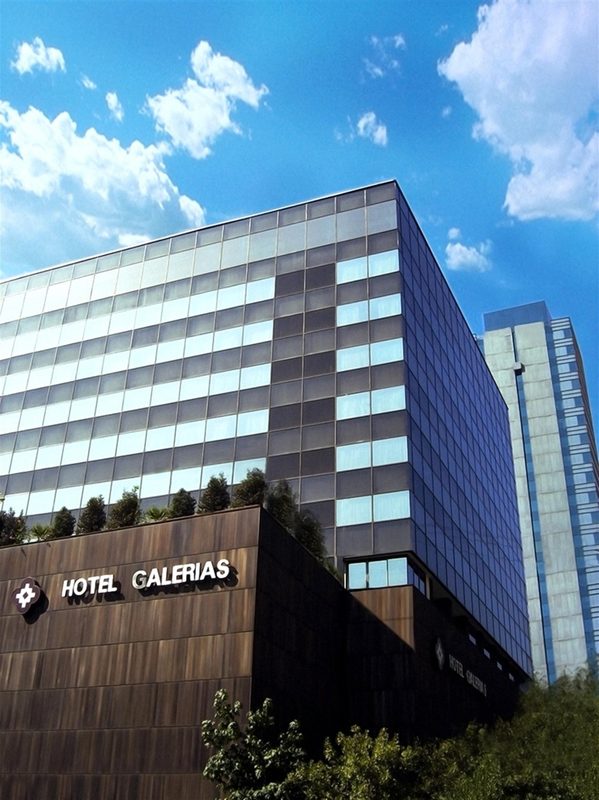
★★★★
Mid-Range
Almacruz Hotel y Centro de Convenciones (Ex Galerías)
From $66 / night
Check Prices on Trip.com →
Public Holidays in April
Dates that affect opening hours, transport and crowds
Viernes Santo
Known in English as Good Friday. Observed nationwide as a public holiday.
Sábado Santo
Known in English as Holy Saturday. Observed nationwide as a public holiday.
Packing Checklist
Bookmark this page — your progress is saved between visits
Need the full list with shopping links?
Climate-specific gear, brand recommendations, and what to leave at home.
View Chile Packing List →Essential Tips
Insider knowledge and common pitfalls to avoid
Insider Knowledge
Chile's clocks jump backward in April. Daylight saving ends on the first Saturday of April, UTC-3 becomes UTC-4 in one stroke. International travelers land and discover their phones are wrong. Missed connections pile up for anyone who synced times across borders for a week and forgot this quirk.
Book the overnight Turbus and Pullman Bus services between Santiago and Puerto Montt a month ahead for Holy Week. Outside April, a week's notice works. The 1,000 km (621 miles), 12-hour haul through the Central Valley runs cama, fully flat, and semi-cama seats. This is how Chilean families who don't fly cover long distances.
Mercado Persa Bio-Bio in Santiago, this large Sunday flea market, fills several blocks near Autopista Central. Decades old. Sells everything. 1960s Chilean vinyl. Hand-forged copper pieces from Atacama artisan traditions. The package-tour industry hasn't found it. Go before noon. Best vendors pack up by 2 PM. Market thins quickly.
No reservation, no bed, Torres del Paine won't bend. CONAF camping reservations run through a Spanish-only online portal, and walking into any sector campsite without a confirmed spot means instant rejection, rain or shine, no matter the kilometers already behind you. If Spanish trips you up, book through a licensed operator before you land in Chile; don't gamble on fixing it from Puerto Natales.
Avoid These Mistakes
Chile isn't one climate, it's five. The country spans 38 degrees of latitude, roughly the distance from Norway to the Sahara. April weather in Arica, far north, stays dry desert around 27°C / 81°F. Punta Arenas, far south, sits at 6°C / 43°F with wind and rain possible. Packing for one region while visiting three means you'll shiver in Torres del Paine in an Atacama shirt.
Wait too long and you won't get a seat. LATAM and Sky Airline dominate Chilean skies, and the trunk hops, Santiago to Punta Arenas, Santiago to Calama (the jump-off for San Pedro de Atacama), Santiago to Easter Island, sell out solid in April. Holy Week turns the country into one moving mob. Ninety to 120 days out is normal lead time. Thirty days is already wishful thinking.
Day-trippers from Santiago skip the best of Valparaíso. They miss the evening light sliding across the cerros, the bark of sea lions on the lower port breakwater, the restaurants that ignite after 8 PM. Stay one night. Walk down any cerro staircase after dark, steep, lit by a single bulb, smelling of salt and old wood. That descent is its own experience.
Forget six-week spontaneity. Torres del Paine's upscale lodges lock in 8-12 months before peak season. April cancellations free beds 6-8 weeks out, call, don't assume. Skipping this step lands you in Puerto Natales, adding a daily round trip to the park.
Ready to plan your trip to Chile?
Now that you've got the research covered, here's where to go next.