
Things to Do in Chile in June
June weather, activities, events & insider tips
Low Season · Budget Friendly
June Weather in Chile
Temperature, rainfall and humidity at a glance
60°F (16°C)
High Temp
39°F (4°C)
Low Temp
1.9 inches (48 mm)
Rainfall
70%
Humidity
⚠ Thermal inversion smog in Santiago can reach hazardous levels - limit outdoor exertion on still days
Is June Right for You?
Weigh the advantages and considerations before booking
Advantages
- + Ski season kicks off above Santiago, no shuttle flight, no alpine village. Portillo, Valle Nevado, La Parva, and El Colorado fire up mid-to-late June, letting you carve 3,300 m (10,826 ft) runs in the morning and slide into a Lastarria wine bar by nightfall. Steak, Carmenère, city lights. The slopes still glow through the window. No other spot on earth hands you that combo.
- + June nights in the Atacama Desert deliver the best stargazing on the planet. Temperatures plummet to -5°C (23°F). The air above San Pedro de Atacama carries almost zero moisture. The Milky Way stretches from horizon to horizon, suddenly the cluster of ALMA, the VLT at Paranal, and the soon-operational ELT within 300 km (186 miles) makes perfect sense. Winter's longer nights give you more dark sky hours. Local guides start astronomy tours around 9 PM.
- + June in Chile is when the country finally exhales. The Colchagua Valley, one of the planet's great red wine regions (Carmenère, Cabernet Sauvignon, Syrah), wraps harvest by May and slips into the quiet ritual of barrel aging. Those small-group winery tours that sell out in March and April? They're wide open now. The sommelier will sit down with you. The landscape, rolling hills turned amber and brown, morning fog peeling off the Tinguiririca River valley, shows a different beauty than harvest green. Less obvious. More honest.
- + June 29 (Día de San Pedro y San Pablo) is a national holiday and one of the country's most genuine coastal celebrations, largely untouched by tourist infrastructure. In fishing communities like Caleta Portales in Valparaíso, Coquimbo, and the small coves of the Chiloé Archipelago, fishermen carry the statue of Saint Peter, patron of fishermen, through the streets and then onto decorated boats for a procession across the harbor. The smell of fresh fish and woodsmoke, the sound of brass bands and applause from the dock, the sight of painted boats crowding the water, it's the kind of thing you stumble on rather than plan for, and it stays with you longer than anything you paid to see.
Considerations
- − June shuts Patagonia down, no exaggeration. Torres del Paine scrapes together nine hours of daylight, the steppe punches past 100 km/h (62 mph) without warning, and half the trails are either roped off or lethal unless you've got winter-grade gear. The W Trek? Forget it. First-timers who land in June won't finish it. Shift your trip to October, April or skip Chilean Patagonia altogether.
- − You'll lose the sun fast in Santiago. The city lies at 33° south latitude, and June dusk hits around 6 PM; dawn crawls over the ridge just after 7:30 AM. That leaves you 10.5 hours of workable light, and the morning chill, 4, 6°C / 39, 43°F until 10 AM, shrinks your outdoor window more than you'd think. Wait until afternoon to climb Cerro San Cristóbal, the 880 m (2,887 ft) forested ridge that stares down on the capital. By then the smog, trapped in Santiago's winter bowl, lifts just enough to let you breathe, and see.
- − Forget June beach days in Chile. The Pacific coast, Viña del Mar and Pichilemu, runs 14, 16°C (57, 61°F) sea water, cold enough to kill any swim plan. Locals crowd these sands in December and January. Now they're gray, windy, half-shut. Mid-week towns feel hollowed-out, shutters rattling. If a Pacific beach fix is non-negotiable, pick another month.
Best Activities in June
Top things to do during your visit
Andean Ski Resort Day Trips from Santiago
Powder that fell 48 hours ago is normal here. The ski resorts clustered in the Andes above Santiago, Valle Nevado at 3,025 m (9,925 ft), La Parva and El Colorado just slightly lower, and Portillo sitting at 2,880 m (9,449 ft) roughly 145 km (90 miles) north, typically open in mid-June, though snow conditions in early June can vary significantly year to year. When the season is good, which it usually tends to be by late June, you're skiing that fresh snow on slopes that look directly down onto the smog layer hovering over Santiago and, on clear days, out to the Pacific. The altitude is real, allow a day at lower elevation before going up if you're arriving from sea level, and the UV at 3,000 m (9,843 ft) in reflective snow will burn you faster than you'd expect at any summer beach. Portillo is arguably the most beautiful of the group, a well-known orange hotel beside a frozen lake at the base of runs that have hosted speed record attempts for decades. Day trip packages from Santiago run through licensed ski operators and include transport. Book at least two weeks ahead once the resorts confirm opening dates, which usually happens in late May.
Booking Tip: Licensed day-trip operators in Santiago sell transport-plus-lift-pass bundles, book below. Mid-to-late June is the safer window. Early June can mean patchy cover and half the lifts still closed. Arrive before 10 AM. By noon the Santiago day-trippers swarm and first-run corduroy is history.
Atacama Desert Night Sky and Geothermal Tours
June in San Pedro de Atacama is cheat-code good. At 2,438 m (7,999 ft) on the lip of the planet's driest non-polar desert, the air goes dead-still and your breath turns to smoke the moment the sun clocks out. Thermometers on the valley floor read -5°C (23°F) after dark, no balmy summer star-party, just pure, knife-sharp cold that forces you into every layer you packed. Trade-off: transparency so clean that pros fly in to use it. You won't see the galactic core, that show waits for spring. But the winter sky serves the Magellanic Clouds, Alpha and Beta Centauri, and a Southern Cross so razor-bright it makes northern constellations feel blurry. Dawn is for the El Tatio geysers, the world's highest field at 4,320 m (14,173 ft); winter's biggest temperature gap turns rising steam into instant drama. Bring clothes you won't mind wearing at midnight and again at 6 AM. The Salar de Atacama never closes. Flamingos still stalk the mineral ponds, and fresh snow on the volcanoes turns the view into pure sci-fi on a clear June morning.
Booking Tip: June's longer nights mean astronomy tours typically start around 9 PM and run two to three hours. Book through licensed CONAF-registered operators in San Pedro de Atacama, it's the only responsible way to reach El Tatio geysers (the road demands 4WD and local knowledge in winter conditions). Altitude sickness is a genuine risk at El Tatio, hydrate the day before, ascend slowly, and don't push through symptoms. See current tour options in the booking section below.
Colchagua Valley Wine Routes
June in Colchagua Valley means you can taste South America's most serious reds without a crowd. The valley sits 180 km (112 miles) south of Santiago in Chile's central valley, and the post-harvest quiet feels like a secret. Estate visits turn into real talks with the people who make the wine, not scripted shows. Carmenère, once declared extinct in Europe, rediscovered in Chile during the 1990s, now the face of Chilean red, reveals its most complex side here. Bottles from the previous harvest are just out, and barrels of the same juice sleep in cool underground cellars lined with French and American oak. Head for Santa Cruz, the valley's main hub. Its Museo de Colchagua, a small but excellent pre-Columbian art museum, is usually yours alone in June. Drive south from Santiago on Route 5 to San Fernando, then swing west into the valley. You'll roll through flat agricultural country that reminds you how much of Chile is rural countryside rather than wilderness or city.
Booking Tip: Colchagua wine estates won't let you in without a reservation, even dead of June. Email or book through their websites seven days ahead, minimum. Barrel tastings roll out in June that disappear once harvest crowds arrive. Stay overnight? Santa Cruz beds sit wide open in June versus the lock-out from October through April. Check the booking section below for current guided valley tours.
Pucón Hot Springs and Villarrica Volcano Trekking
780 km south of Santiago, the Lake District town of Pucón crouches beneath Villarrica Volcano, an active stratovolcano with an open lava lake in its crater. When the wind shifts, you can smell the sulfurous haze from the lake shore. June brings snow from summit to 1,500 m. The full climb, crampons, ice axes, certified guides, runs when conditions allow. Most visitors choose the thermal circuit instead. The Araucanía region around Pucón packs an unusual concentration of geothermally heated pools. Some are slick commercial setups. Others are rustic outdoor pools reached only by forest trails. Soaking in 40°C water while cold air sits on the surface and snow-heavy araucaria pines, ancient monkey-puzzle trees, some over 1,000 years old, rise around you is a specifically Chilean pleasure. June delivers it better than any other month. Lago Villarrica, one of the most photogenic lakes in South America, stays calm in June. No summer jet-ski noise.
Booking Tip: Summit ascents of Villarrica require certified mountain guides regardless of season, do not attempt independently. In June, summit access depends on weather and current volcanic activity. SERNAGEOMIN publishes daily reports. Hot spring circuit tours operate year-round. They can be booked with one to three days' notice in June. If you're driving south from Santiago, the Ruta 5 Pan-American Highway runs the length of the central valley. Allow seven to eight hours including stops. See current guided activity options in the booking section below.
Santiago Neighborhood and Market Exploration
June in Santiago isn't summer chaos, it's the city living its real life. La Vega Central, the wholesale produce and food market north of the Mapocho River that supplies most restaurants, fires up every morning and hits peak before 9 AM. The smell hits hard, cut citrus, cilantro and huacatay bundles, the iron tang from carnicerías inside, roasting coffee drifting from small stalls near the entrance. Grab sopaipillas pasadas (fried pumpkin bread soaked in chancaca syrup) at a La Vega counter for a handful of change, better Chilean food introduction than any restaurant. Barrio Italia sits 3 km (1.9 miles) from city center and has become ground zero for independent galleries, second-hand furniture shops, and small restaurants over the last decade. Worth a half-day wander, even in winter. The Museo Chileno de Arte Precolombino, two blocks from Plaza de Armas, holds one of South America's finest pre-Columbian Andean and Mesoamerican collections. June means you'll have it nearly to yourself. Clear days, more common in June afternoons than mornings, deliver the Andes from any east-facing spot. Fresh snow blankets the peaks down to foothills, white against blue sky at 4,000 m to 6,000 m (13,123 ft to 19,685 ft). Sharp. Clean. Real.
Booking Tip: Skip the reservations, Santiago's best neighborhoods are yours for the taking. La Vega Central runs Monday through Saturday. Show up before 9 AM if you want the full sensory assault. The Museo de Arte Precolombino keeps its doors shut on Mondays, plan around it. Guided food and market tours? They're worth it when you're trying to decode the maze of stalls that tourists never crack. Book directly with licensed cultural operators, hotel concierges will just send you to their cousin's overpriced outfit. Current walking and food tour options live in the booking section below.
Valparaíso Cerro Culture and Port Walks
Winter is when Valparaíso tells the truth. Roughly 120 km (75 miles) northwest of Santiago on the Pacific coast, the city drops its postcard pose. The 42 cerros (hills) still carry the street art and the bright houses everyone mentions. But without cruise ships the port returns to stevedores and shouting. Ascensores, those late-19th-century funicular elevators, rattle up the slopes. Several still work. They link the port basin to neighborhoods that tourism forgot. Mercado El Cardonal, rebuilt after the 2007 fire, reeks of seaweed and cold Pacific air on a June morning. It is the city's primary fresh market. Cerro Alegre and Cerro Concepción supply the galleries and cafés most visitors see. Walk twenty minutes east to Cerro Barón or Cerro Florida. You'll swear it is 1970s Chile: murals with sharper politics, corner stores with handwritten prices, the particular gray-brown light of a Pacific winter. The Museo Nacional de Bellas Artes de Valparaíso, inside Palacio Baburizza on Cerro Alegre, keeps an underrated stash of Chilean and European canvases from the late 19th and early 20th centuries. Wait for the clearest June day. The Andes jump into view from the eastern cerros, a sight the summer coastal fog usually erases.
Booking Tip: Hop on the Turbus at Santiago's Alameda terminal and you'll be in Valparaíso in one hour forty minutes, easy day trip, better overnight if you want past the postcard facades. Certified guides run walking tours into the lesser-visited cerros. Book a day or two ahead in June. The ascensores still work, most of them, and ask a small fee per ride. A couple are shut for long maintenance. Check status when you arrive. Current guided options are in the booking section below.
Explore More Activities in Chile
Didn't see anything interesting yet?
Browse Viator's full catalog of tours, day trips, food experiences, and private guides in Chile.
See All Chile Tours on ViatorWhere to Stay in Chile in June
Hand-picked hotels across price tiers for June travellers.
★★★★
Mid-Range
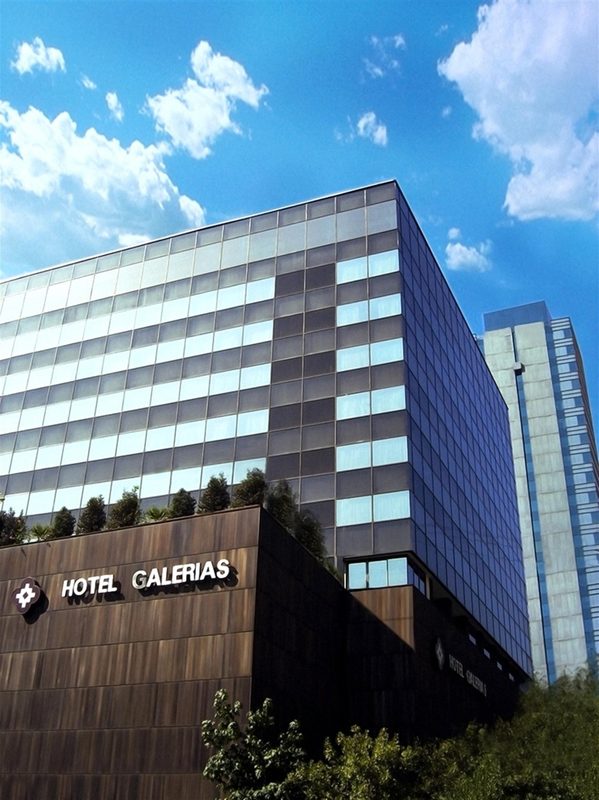
Almacruz Hotel y Centro de Convenciones (Ex Galerías)
From $66 / night
Check Prices on Trip.com →
Public Holidays in June
Dates that affect opening hours, transport and crowds
Asalto y Toma del Morro de Arica
Known in English as Battle of Arica. A public holiday in these regions only: CL-AP.
Día Nacional de los Pueblos Indígenas
Known in English as National Day of Indigenous Peoples. Observed nationwide as a public holiday.
San Pedro y San Pablo
Known in English as Saint Peter and Saint Paul. Observed nationwide as a public holiday.
Asalto y Toma del Morro de Arica
Known in English as Battle of Arica. A public holiday in these regions only: CL-AP.
Día Nacional de los Pueblos Indígenas
Known in English as National Day of Indigenous Peoples. Observed nationwide as a public holiday.
San Pedro y San Pablo
Known in English as Saint Peter and Saint Paul. Observed nationwide as a public holiday.
Packing Checklist
Bookmark this page — your progress is saved between visits
Need the full list with shopping links?
Climate-specific gear, brand recommendations, and what to leave at home.
View Chile Packing List →Essential Tips
Insider knowledge and common pitfalls to avoid
Insider Knowledge
Chilean winter, June through August, means empty beaches country-wide, yet the Andean ski resorts near Santiago explode with Santiago families every weekend. Want the slopes without the Santiago crowd? Ski Tuesday through Thursday. Same deal at Valle Nevado: weekend apartment rentals vanish weeks ahead, while midweek spots pop up with just days' notice.
June and July. That's when Santiago's smog hits hardest, particulate matter pooling in the Andes-ringed bowl like dirty soup. Thermal inversions trap vehicle emissions and wood-burning smoke at street level. Total chaos. The city's environmental authority slaps down restricted circulation advisories, Días de Preemergencia Ambiental, on the worst days. These limit which vehicles can drive. Simple rule: fewer cars, same smoke. Here's the practical payoff. Cerro San Cristóbal's views sharpen after rain events, typically the day after a storm front passes through. Your first instinct to schedule panoramic city views for a cloudless morning? You'll get haze-veiled disappointment instead. Check the UCAR or SINCA air quality app before planning hilltop excursions.
Santiago shrinks its daylight in June, so dinner slides even later. Chileans eat between 9 PM and 11 PM no matter the month. The better tables in Barrio Italia, Lastarria, and Providencia pack between 9:30 PM and 10:30 PM. Arrive at 7 PM or 8 PM, like most European and North American visitors, and you'll sit alone. Half-empty room. Staff eyeing you like a curiosity. Reset your body clock if you want the real social buzz of a Chilean restaurant doing its thing.
Chiloé Island, reachable by 30-minute ferry from Pargua near Puerto Montt, 1,200 km / 746 miles south of Santiago, turns out to be better in June than in January. The island's soul shows up in winter. Damp green forests of tepú and arrayán glow under low cloud. Stilted fishing villages called palafitos creak above black water. Morning mist wraps 22 UNESCO-listed wooden churches like driftwood incense. The mythology, sea monsters, forest spirits, feels real when the sky stays steel-gray. Salmon farms keep working through the cold. Their lights blink across the fjords at 3 a.m. In Castro and Chonchi, the June Día de San Pedro celebrations pull entire villages into the streets for some of the most honest coastal festivals you'll find in Chile.
Avoid These Mistakes
You'll pack for the Chile of postcards, Easter Island beach, Atacama sand, Valparaíso summer rooftop, and land woefully unprepared for real winter. June nights in Santiago crash to 4, 6°C (39, 43°F) and refuse to climb past 10°C (50°F) until nearly noon. Travelers clutching linen shirts and light layers end up in Providencia malls hunting sweaters. That works. But you can skip it.
Flying between Santiago, San Pedro de Atacama, and Pucón in five or six days? You'll see nothing. The country becomes dots on a map, not a living place. Each region in June demands time, Atacama's altitude knocks you sideways, the Lake District's cold and rain seeps into your bones, the Andes resorts' thin air hits again. The internal flight schedule works, until winter weather doesn't cooperate. One region, done right, beats three regions you barely remember.
Torres del Paine sits farther from the equator than Auckland, New Zealand, and that is the fact most first-timers miss. The park is roughly 3,000 km (1,864 miles) south of Santiago, exposed to Southern Ocean weather systems that don't negotiate. June brings winds that knock you sideways. Nine or ten hours of usable daylight. Trails the park itself advises against. Several lodges and ferry services simply close from May through August. Visitors see the impressive summer Instagram images and book June flights without researching what "winter in Patagonia" means. Total chaos. If Patagonia is calling, come in October or November when the season opens and the light lasts until 10 PM.
Ready to plan your trip to Chile?
Now that you've got the research covered, here's where to go next.