
Things to Do in Chile in November
November weather, activities, events & insider tips
Shoulder Season · Good Value
November Weather in Chile
Temperature, rainfall and humidity at a glance
77°F (25°C)
High Temp
68°F (20°C)
Low Temp
0.3 inches (8 mm)
Rainfall
70%
Humidity
Is November Right for You?
Weigh the advantages and considerations before booking
Advantages
- + November in Torres del Paine is when the real trekking season kicks off. Miss the January-February crush. The refugios and CONAF campsites on the W Circuit have just been restocked. Guanacos raise their young on the steppe, cute chaos. Daylight in Puerto Natales hits 17 hours by month's end. Start a full day hike after breakfast. Photograph the Cuernos del Paine at 9 PM in golden light.
- + Spring wildflowers rewrite the Andean foothills before midsummer heat wipes them clean. Pink pata de guanaco and purple puya light the precordillera trails above Lo Barnechea and Farellones, brief, brilliant. Between Santiago and Rancagua, the central valley stays green, alive, humming. In the Norte Chico, if late summer rains hit, the Atacama's edges keep their flower color from a delayed bloom cycle that happens only a handful of times per decade.
- + November is shoulder-season gold. Chilean schools haven't broken up yet, that won't happen until late December. When it does, accommodation prices and flight demand spike sharply. Right now, Patagonian lodges still have beds. The same rooms that'll be fully committed by Christmas are available at pricing January simply won't offer. This stretch, right here, is the quietest of the entire spring-summer season. The calm before the holiday wave arrives.
- + November in the Atacama Desert delivers the clearest skies you'll ever see, no contest. Warm days, yes, but the summer shimmer hasn't arrived yet. That shimmer? It ruins long-distance shots and tricks your eyes into seeing water where only salt flats stretch. Licancabur volcano at dawn. 5,916 m (19,409 ft) of perfect silhouette against the altiplano sky. You want this view without fifteen tour buses blocking your shot. Just you, the mountain, and that impossible sky.
Considerations
- − November punches hardest. Patagonian winds peak then, and the westerlies roaring through the channels below Punta Arenas slam Torres del Paine with sustained gusts that regularly reach 80 km/h (50 mph), enough to shove a loaded trekker sideways on an exposed ridge. When conditions cross the safe threshold, the park administration shuts specific trails without apology. Your day plans must stay flexible. December and January aren't dramatically calmer, yet November's wind events simply last longer.
- − Santiago will punish you in spring. Mornings kick off at 22°C (72°F), skies clear, feeling like summer. Then a cold front rolls off the Andes, locals call it 'viento sur', and the afternoon crashes to 12°C (54°F). The wind finds every gap in a light jacket. Pack for the morning forecast only and you'll be cold and underdressed by 4 PM. Happens with reasonable frequency.
- − The W Circuit and O Circuit campsites and refugios are gone, completely booked, months before November. CONAF-managed sites plus the Vertice/Fantastico Sur systems sell out within days once reservations open, usually July or August. Travelers banking on booking 3, 4 weeks ahead find zero beds left. They end up sleeping in Puerto Natales, 85 km (53 miles) from the park gate, and commuting in.
Best Activities in November
Top things to do during your visit
Torres del Paine W Circuit Trekking
November cracks the starting gate for Patagonia's best trail system, and if you want the W Circuit without 800 dawn hikers jostling for the same viewpoint, this is your month. The route strings 80 km (50 miles) across 4, 5 days, linking Mirador Las Torres, Valle del Francés, and Glaciar Grey through terrain that flips from grassland steppe to hanging glacier to granite towers in a single morning's walk. Snowmelt thunders through Valle del Francés's waterfalls in November, and sunlight clings to the Cuernos del Paine until almost 10 PM. Wind is no joke, calm at 9 AM can explode into 80 km/h (50 mph) gusts by lunch. Full windproof kit and a loose itinerary aren't suggestions; they're how you reach the end. Reserve refugio bunks and campsites through CONAF and the private refugio booking systems the instant your dates lock, 3 to 4 months ahead is standard. Current guided circuit options sit in the booking section below.
Booking Tip: Book now or walk away empty-handed. Refugio bunks and campsites in Torres del Paine disappear 3, 4 months out, lock yours via CONAF, Vertice, and Fantastico Sur. Guided trips? Plenty. SERNATUR-certified operators sell everything from catered refugio treks to haul-your-own-gear nights. The widget below spits out live openings and guided departure dates, grab one.
Atacama Desert Stargazing and Altiplano Exploration
San Pedro de Atacama perches at 2,438 m (7,999 ft) in the driest non-polar desert on earth, and November is the month to go. Daytime skies stay clear, deep blue, warm but free of summer's heat haze. Altiplano roads to Laguna Miscanti, the flamingo lakes at Laguna Chaxa, and the Geysers del Tatio stay open, no January-February flash floods. At 4,320 m (14,173 ft), Geysers del Tatio is the world's highest geyser field. Arrive pre-dawn: 10 m (33 ft) steam columns shoot skyward in minus-5°C (23°F) air until the sun leaps the Andes and thaws everything in minutes. Night falls. The Milky Way above San Pedro is so bright it throws a faint shadow on pale ground. Astronomy operators wheel out high-powered telescopes nightly. Smaller groups get longer turns, sharper views. Altitude acclimatization is mandatory. Spend one full day in San Pedro at 2,438 m (7,999 ft) before climbing higher. Check current tour options in the booking section below.
Booking Tip: Book stargazing tours 7, 10 days ahead through SERNATUR-registered operators. Ask about group size limits. For the altiplano lakes and geyser routes, licensed guide accompaniment is required for some areas and is the sensible choice regardless. The booking section has current options.
Valparaíso Cerros Walking and Street Art Routes
November's the sweet spot for walking Valparaíso's 42 cerros (hills). Warm enough that the heavy Pacific fog blanketing the city in June and July has retreated. Cool enough that steep stairways climbing from the harbor won't soak you through before you've reached the first mural. The street art on Cerro Alegre and Cerro Concepción is internationally recognized: painted walls wrapping around early 20th-century clapboard houses and the odd 1960s apartment building, salt air mixing with spray paint on a warm spring afternoon. The restored funiculars (ascensores), around eight of the original fifteen are operational, are genuine pieces of the city's engineering history, not tourist set pieces. Chileans have been riding them to work since 1883. The harbor view from Cerro Alegre at dusk, when container ships and fishing boats below start lighting up and hills opposite glow with a few thousand lit windows, is one of those city views you'll spend longer staring at than planned. Walk down to the port market before breakfast for whatever the boats brought in overnight, salt air and fresh fish and chimichurri smoke from grill stalls setting up before 8 AM. Valparaíso is 120 km (75 miles) from Santiago by bus. It works far better as an overnight stay than a day trip.
Booking Tip: No reservations? You can still wander. Self-guided walking requires zero advance booking. Guided art and history walks, run by licensed locals, come through SERNATUR and the Municipalidad de Valparaíso. Book 2, 3 days ahead in November. See the booking section for current tour options.
Maipo and Colchagua Valley Wine Estate Visits
November is when Chile's wine valleys finally exhale. Harvest ended six months ago, the vines have fluffed back into postcard green, and the roads between rows are empty of harvest trucks and selfie sticks. The Maipo Valley starts 40 km (25 miles) south of Santiago where the Andes shoulder in. Here 19th-century estates still turn out Chile's most iron-fisted Cabernet Sauvignon. Slide 200 km (124 miles) farther south and you drop into the Colchagua Valley outside Santa Cruz, rounder, softer reds that don't need a decade to uncurl. Weekday visitors in November often end up chatting with the actual winemaker instead of a scripted guide. At the smaller houses they'll dip a thief into the barrel and let you taste wine that won't see glass for another year, when they've got time to be generous, they are. The Tren del Vino, a heritage railway that rattles out of San Fernando into Colchagua on weekends, is worth the fare for the slow-motion valley views alone, vineyards scroll past like a film you didn't know you wanted to watch. Book tastings 3, 5 days ahead at most estates. See the booking section for current guided valley tours from Santiago.
Booking Tip: Book tastings 3, 5 days out, November slots still open. Skip the lonely tasting room. Insist on a full cellar tour. Santiago's guided day trips already cover both valleys.
Pucón and Lake District Volcano and Whitewater Adventures
776 km south of Santiago, Pucón sits at the base of Volcán Villarrica. November is when the Lake District finally shakes off winter's quiet. The Trancura River, running straight out of the Andes above town, runs high with snowmelt, producing consistent Class III, IV whitewater that peaks between October and December. Villarrica itself, at 2,847 m, is one of the most accessible active volcanoes on earth. The crater summit hike, crampons and ice axes required, takes 5, 6 hours round trip from the ski resort base and delivers a direct view into an actual lava lake. Fair warning: the volcano is active. Ascents close when activity increases, check with CONAF before locking in summit timing. The forests around Pucón are pure araucaria country. These 1,000-year-old monkey puzzle trees don't grow anywhere else on earth at this density. November's green on the Huerquehue National Park trails makes them look prehistoric, summer photos can't capture this. Crowds in November? Light. January is when this area fills up for real.
Booking Tip: Villarrica summit guides must be licensed, don't even think about this without a certified mountain guide. Check the volcano status the day before departure. Book summit attempts 3, 5 days ahead, weather kills plans fast. Whitewater operators run daily from Pucón; 1, 2 days ahead usually works in November. See current options in the booking section.
Easter Island Moai Circuit and Archaeological Sites
Rapa Nui (Easter Island) sits 3,700 km (2,299 miles) off Chile's Pacific coast and plays by its own weather rules. November straddles the gap between the cooler, drier July, September stretch and the warmer, wetter summer, expect 22, 24°C (72, 75°F) and far fewer people than the January crush. The 15 moai at Ahu Tongariki, the island's biggest restored ceremonial platform, face inland, backs to the Pacific. At November dawn, when the sky behind them shifts from amber to pale blue, they photograph in a way midday glare never allows. The volcanic quarry at Rano Raraku holds 400 of the island's 900-plus moai, half-carved and abandoned on the slope, as if work paused mid-morning and never resumed. The scale. The silence. No photo captures it. The island measures 24 km (15 miles) long and 12 km (7.5 miles) wide; 5, 7 days is what you need to see it without rushing. Flights from Santiago leave daily, roughly 5 hours each way. Some restricted archaeological sites demand a licensed local guide. The access is worth it even without the rule.
Booking Tip: Book flights and accommodation at least 4, 6 weeks ahead, the island has limited beds and a single airline connection. You'll need licensed local guides at some restricted sites; they're available through SERNATUR-registered operators. Check the booking section for current guided tours.
Explore More Activities in Chile
Didn't see anything interesting yet?
Browse Viator's full catalog of tours, day trips, food experiences, and private guides in Chile.
See All Chile Tours on ViatorWhere to Stay in Chile in November
Hand-picked hotels across price tiers for November travellers.
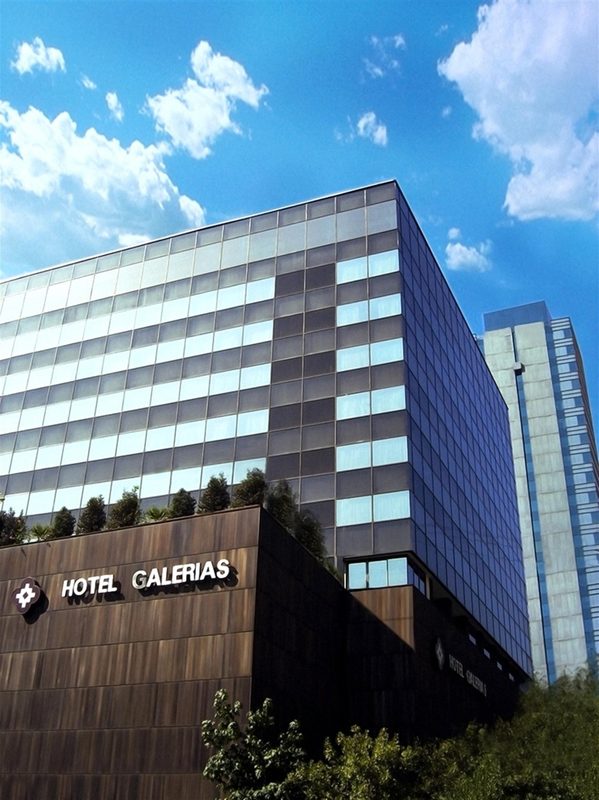
★★★★
Mid-Range
Almacruz Hotel y Centro de Convenciones (Ex Galerías)
From $66 / night
Check Prices on Trip.com →
Public Holidays in November
Dates that affect opening hours, transport and crowds
Día de Todos los Santos
Known in English as All Saints Day. Observed nationwide as a public holiday.
Día de Todos los Santos
Known in English as All Saints Day. Observed nationwide as a public holiday.
Día de Todos los Santos
Known in English as All Saints Day. Observed nationwide as a public holiday.
Packing Checklist
Bookmark this page — your progress is saved between visits
Need the full list with shopping links?
Climate-specific gear, brand recommendations, and what to leave at home.
View Chile Packing List →Essential Tips
Insider knowledge and common pitfalls to avoid
Insider Knowledge
Stone fruit lands first in November, summer's opening shot, at La Vega Chica market on Avenida Independencia, Santiago. The place has sold wholesale and retail since 1895. By mid-month, early white peaches and nectarines from the Maipo Valley crowd the stalls, same families, third generation running them. The scent of ripe fruit down the produce aisles doesn't happen any other month. Norte Chico chirimoya (custard apple) shows up now too. Locals who cook eat this in November. Go for the experience even if you leave empty-handed.
Reserve Torres del Paine refugio and campsite beds the second your flights are locked, 3, 4 months ahead of November if you can. CONAF's booking system and the Vertice/Fantastico Sur platforms flip the switch in July or August. Every slot on the W Circuit is gone within days. Show up empty-handed and you'll sleep in Puerto Natales, 85 km (53 miles) from the gate, then ride the bus back each morning. It is common, and it is avoidable.
The Carretera Austral (Ruta 7), Chile's 1,240 km (770 mile) unpaved highway, runs south from Puerto Montt into the fjords and icefield wilderness of Aysén. Sections reopen in November after winter landslide repairs. Before driving below Puerto Montt, check current road conditions with Vialidad Nacional, specific sections between Chaitén and Villa O'Higgins can still close mid-November. This isn't a reason to skip one of South America's most spectacular drives. It is a reason to build flexibility into your itinerary.
November is Casablanca Valley's secret month, green, quiet, and yours alone. The wine region sits 90 km (56 miles) west of Santiago on the road to Valparaíso, where Pacific fog rolls in overnight and lifts by mid-morning. You'll see it happen at 9 AM from any hillside estate. The valley's cool-climate Sauvignon Blancs and Pinot Noirs owe everything to this daily ritual. Skip the weekend crowds. Weekday visits to smaller bodegas buy you informal time with the winemaker, he'll pull barrel samples straight from wine still aging, bottles that won't appear in any catalogue. This isn't harvest chaos. It's the calm after.
Avoid These Mistakes
Torres del Paine punishes procrastinators. First-timers always think 3, 4 weeks ahead is enough. Wrong. The reservation windows for the W Circuit crack open in July or August for November, and the prime spots vanish within days. Show up without confirmed beds and you'll sleep 85 km (53 miles) away in Puerto Natales, then crawl back each dawn. That adds roughly 3 hours of bus time to every hiking day.
Skip the day-trip script. Valparaíso after dark is the real show, fog slides in off the Pacific by 8 PM, bars on the cerros don't wake up until 10, and the port fish market is already humming before dawn. The standard Santiago playbook, bus from Alameda Station (1.5 hours each way), a quick march through Cerro Alegre and Cerro Concepción, then back to the capital for dinner, completely misses this. Sleep there at least one night.
San Pedro de Atacama sits at 2,438 m (7,999 ft). That height is uncomfortable but manageable for most travelers, if they take one rest day. The Geysers del Tatio at 4,320 m (14,173 ft) demand a different calculation. Nausea, headaches, shortness of breath. These hit visitors who leave San Pedro plaza the morning after landing. Don't do it. Schedule a full acclimatization day in town. Drink more water than feels necessary. Take altitude medication if your doctor recommends it. This is the most predictable way to ruin an Atacama trip, and the one tourists most consistently ignore.
Ready to plan your trip to Chile?
Now that you've got the research covered, here's where to go next.