
Things to Do in Chile in January
January weather, activities, events & insider tips
Shoulder Season · Good Value
January Weather in Chile
Temperature, rainfall and humidity at a glance
75°F (24°C)
High Temp
57°F (14°C)
Low Temp
0.0 inches (0 mm)
Rainfall
70%
Humidity
Is January Right for You?
Weigh the advantages and considerations before booking
Advantages
- + January is when Patagonia finally unlocks. Torres del Paine and the Carretera Austral trails bask in daylight until 10 PM, 18 hours of hiking light if you've got the legs, and every snow-locked route from April to October is now wide open. The Paine massif burns ochre and granite-grey against a sky so blue it feels like a trick, and when the wind drops you can watch Grey's hanging glacier drop bus-sized ice into a lake that glows an impossible turquoise.
- + The Pacific here has teeth, in the best way. Chile's central coast beaches hit their stride. Zapallar's sheltered rocky cove, Pichilemu's long left-hand surf break at Punta de Lobos, and the quieter stretches north of Valparaíso fill with Chilean families on summer holiday. The water stays cool enough, around 17°C (63°F), to be refreshing after hours under a UV-8 sun. It's nothing like the warm-bath Atlantic.
- + Full canopies, fat clusters: Casablanca and Maipo wine valleys are already loaded a month before harvest. Wineries run tours minus the February crush, no crowds, no clatter. Family bodegas that lock up during the pick open their tasting rooms now. Bite a Carménère off the vine, then sip the wine it will become in an adobe cellar while Santiago swelters 45 minutes away.
- + Two weeks in January, Easter Island belongs to Tapati Rapa Nui, and to anyone quick enough to book a bed. Islanders split into two teams and battle through body-painting duels with karika pigments, reed-boat sprints across Rano Raraku crater lake, and the haka pei: grown men sledding banana-trunks down a volcano while the slope roars. After sunset, Hanga Roa plaza fills with ancient chant and spotlit moai platforms. You'll feel absurdly lucky to stand there, exact place, exact minute.
Considerations
- − Santiago turns into a frying pan. Temperatures regularly push above 33°C (91°F). The city's notorious thermal inversion traps smog between the Andes and the coastal range. On bad days the mountains vanish. Your eyes water by midmorning. If Santiago is your base rather than a transit point, plan early-morning sightseeing. Escape to the coast or the pre-Andean foothills by early afternoon.
- − Torres del Paine trekking permits for the W Trek and Circuit sell out months in advance, September or October booking for January is cutting it close, not early. Patagonia is expensive and fully booked in January. Accommodation in Puerto Natales roughly triples from shoulder-season rates, and the wind on exposed ridgelines can hit 100 km/h (62 mph) in gusts that stop you mid-stride. The crowds on the most popular trail sections, the approach to the Torres lookout at sunrise, are not what the photographs suggest.
- − Afternoon electrical storms crackle above 4,000 m (13,123 ft) during the Atacama Desert's Bolivian Winter, invierno altiplánico, every January. The lightning puts on a show you can watch from San Pedro. It also shuts the road to the El Tatio geysers. High-plateau tracks toward the Bolivian border become impassable after noon. Morning geyser tours leave at 4 AM for this exact reason. If an operator suggests 7 AM instead, treat that as a warning sign.
Best Activities in January
Top things to do during your visit
Torres del Paine Multi-Day Trekking
January is peak season in Patagonia for a reason that becomes clear the moment you crest the first ridge and see the full massif. The W Trek, five days moving between the hanging glacier at Grey, the hanging valley viewpoint above Valle del Francés, and the Torres themselves at sunrise, is fully open, refugios are staffed, and the long daylight hours mean you can arrive at the Torres lookout at 6:30 AM when the spires catch the first light and most other trekkers are still eating breakfast. The weather changes hourly regardless of season; Patagonia's atmosphere does not care that it is technically summer. But trail conditions across all routes are as good as they get, and the alpine flowers are at peak bloom on the lower sections. Day-hike options in the park are also available through licensed operators for those whose permits are already sold out, see current options in the booking section below.
Booking Tip: Forget spontaneity, permits for the W Trek and O Circuit vanish months ahead through CONAF's official system. January 2026? Lock in permits and refugios by August 2025, period. Two separate systems run this show, you'll juggle permits and beds at once, not one after another. When individual slots disappear, guided packages that bundle both become your lifeline. Check the booking section below for current trekking options.
Atacama Geothermal and Salt Flat Morning Tours
San Pedro de Atacama sits at 2,400 m (7,874 ft) and is the way into terrain that looks like it belongs on another planet. January mornings, before the altiplanic afternoon storms roll in above 4,000 m (13,123 ft), are clear and bitterly cold at the El Tatio geysers at 4,320 m (14,173 ft), where columns of steam rise from vents in the volcanic crust in air that is barely above freezing. Reputable operators run tours departing at 4 AM specifically to be safely back at lower elevation before noon. The Valle de la Luna, closer to town, is best done at sunset when the salt formations turn violet and the sand dunes hold the last light. The Salar de Atacama flamingo lagoons are less altitude-dependent and can run on a normal morning schedule. See current tour options in the booking section below.
Booking Tip: Only book operators who swear they'll watch the afternoon weather above 4,000 m (13,123 ft) and turn back if it turns ugly, ask this safety question straight. January tours sell out two to three weeks ahead in high season. Arrive in San Pedro a full day before any high-altitude excursion. This isn't cautious planning, it is necessary acclimatization. See current Atacama tour options in the booking section below.
Casablanca Valley Pre-Harvest Wine Tours
The valley sits 90 km (56 miles) west of Santiago, close enough to the Pacific that afternoon sea fog drops temperatures 10°C (18°F) below the capital in January. Sauvignon Blanc and Chardonnay vines bear clusters roughly one month from harvest, fully formed and heavy, photographically dramatic against dry golden hillsides. Wineries here have operated since the late 1980s. Several established names run cellar tours ending in shaded tasting rooms where barrel-aged Pinot Noir arrives with bread from the estate kitchen. Coastal fog burns off by 10 AM most days. Clear driving follows. This window, likely your best, lets you visit smaller bodegas that close to outsiders during the February-March harvest. Licensed tour operators from Santiago combine transport and winery access in half-day formats. Check current options in the booking section below.
Booking Tip: Santiago-to-Casablanca tours sell out fast, book 7-10 days ahead in January. Demand spikes. Smart travelers insist on itineraries with two wineries minimum, 90 minutes each. Anything less feels like a frantic box-checking exercise. You'll regret the rush. The best packages fold in the coastal town of Casablanca for lunch, sandwiches, sea breeze, sanity restored between tastings. Check current wine tour options in the booking section below.
Easter Island Tapati Rapa Nui Cultural Experiences
5 hours. That's all it takes on LATAM from Santiago, yet 3,700 km of empty Pacific keeps most travelers away. Their mistake. Tapati in late January changes everything. Competition routes weave past the ahu platforms where moai stand with backs to the sea. Once you grasp the Polynesian idea, that ancestors face inland to shield the living, the layout stops being odd and starts making perfect sense. After sunset, Hanga Roa's town square erupts. Chant and dance battles roll past midnight, fueled by local pride and the odd pisco sour. Archaeologists work nearby sites by day. Families rehearse by night. The mix of active digs and living culture doesn't exist elsewhere in South America, and January is the single month when both hit peak intensity. Check the booking section below for current Tapati cultural tours.
Booking Tip: LATAM owns the Santiago-Easter Island monopoly. During Tapati, seats vanish months early and prices increase as January nears. Hanga Roa rooms are scarce, Rapa Nui family guesthouses rule, filling before the bigger hotels. Lock in flights, beds, and guides as one block, minimum four months ahead. Check current choices in the booking section below.
Pacific Surf Sessions at Pichilemu
Pichilemu has been Chile's canonical surf town since the 1990s. Its main break at Punta de Lobos ranks among South America's premier left-hand point breaks, a long, consistent wall that pulls experienced surfers from Argentina, Brazil, and increasingly from Europe. January swells run consistent and head-high to overhead. The water is bracing without punishing; a 3 mm wetsuit is sufficient. The town moves at a pace that feels almost deliberately unhurried: surf shops, basic restaurants facing the sea, hostels that operate on a relaxed schedule. Beginners should book lessons on the main town beach, which has a forgiving beach break. Punta de Lobos is for experienced surfers only. The paddle-out alone demands reading the rip correctly. Surf schools and equipment rentals operate daily in January. See current surf experiences in the booking section below.
Booking Tip: From Santiago, you've got two real choices: the Alameda terminal bus or a rental car pointed down Ruta 90 southwest. Three hours either way. January surf schools take walk-ins or next-day bookings, except weekends, which are gone by Friday. Two-to-three-day stay is non-negotiable. Weekday mornings at Punta de Lobos, smaller crowds, better light, make every minute count. Check the booking section below for current surf tour options.
Valparaíso Street Art and Cerro Culture
Valparaíso won't sit still on any map, and you'll need three or four hours of hard walking before the city finally clicks. Forty-two cerros (hills) climb straight up from a working port in a riot of staircases and color, someone here clearly loved both in equal measure. January light lingers on outdoor murals until after 9 PM, entire building sides painted by Chilean artists who leave their names spray-painted in corners if you look. Cerro bars with terrace views pack art students, dock workers, and Santiago weekenders who rode the 90-minute train from the capital. The ascensores, those creaking funicular elevators, have climbed these hills since the late 1800s. Several still run, and the small fare buys you views worth every peso. Cerro Alegre and Cerro Concepción draw the crowds and cameras. But Cerro Bellavista and Cerro Florida pay off the extra walk with murals you'll have to hunt for. Guided walking tours covering art and architectural history leave the main plaza most mornings, check current options in the booking section below.
Booking Tip: Valparaíso works as a day trip from Santiago (90 minutes by bus or the old coastal train) but an overnight changes the experience significantly, the port lit at night and the fish market working before 7 AM are things the day-trip crowds miss entirely. Guided street art tours are available most mornings and run for two to three hours. Weekday visits are noticeably quieter on the cerros. See current options in the booking section below.
Explore More Activities in Chile
Didn't see anything interesting yet?
Browse Viator's full catalog of tours, day trips, food experiences, and private guides in Chile.
See All Chile Tours on ViatorWhere to Stay in Chile in January
Hand-picked hotels across price tiers for January travellers.
★★★★
Mid-Range
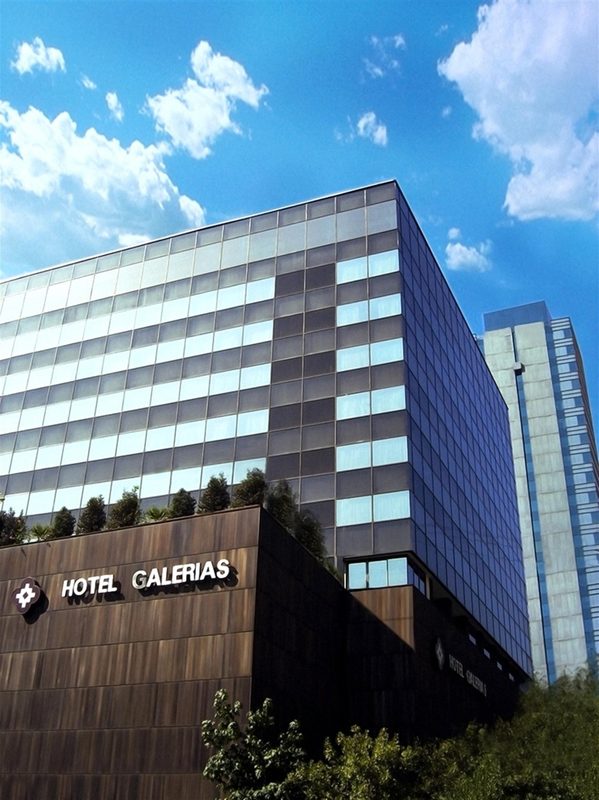
Almacruz Hotel y Centro de Convenciones (Ex Galerías)
From $66 / night
Check Prices on Trip.com →
Public Holidays in January
Dates that affect opening hours, transport and crowds
Año Nuevo
Known in English as New Year's Day. Observed nationwide as a public holiday.
Año Nuevo
Known in English as New Year's Day. Observed nationwide as a public holiday.
Packing Checklist
Bookmark this page — your progress is saved between visits
Need the full list with shopping links?
Climate-specific gear, brand recommendations, and what to leave at home.
View Chile Packing List →Essential Tips
Insider knowledge and common pitfalls to avoid
Insider Knowledge
January slots for Torres del Paine's W Trek vanish by August, book then or don't go. The official CONAF online system now controls all trekking permits, and January slots sell out months before the season starts. Two separate beasts: the permit system and the refugio accommodation system. Travelers book one, then panic when the other is full. Do both at once, the moment your travel dates lock.
January's Bolivian Winter, invierno altiplánico, catches most visitors off guard. By 1 PM, electrical storms boil up over the Atacama's high plateau and can slam the El Tatio road shut within sixty minutes. Smart operators in San Pedro won't risk it: they leave at 4 AM, have you back by 10 AM, and won't apologize for the dawn wake-up. If anyone has a 7 AM departure, walk away.
January flips Santiago's Lo Barnechea and Farellones from ski hubs to summer playgrounds, cable cars climb to 2,600 m (8,530 ft) trailheads in under an hour from Bellavista, slicing straight through the capital's heat trap. Most travelers never hear about it. You'll knock out one of the better half-days in the city, inversion layer left coughing below.
Chilean beach towns hit peak chaos in January. School holidays begin, and the stretch between Santiago and Valparaíso, Algarrobo, El Tabo, Cartagena, turns into a parking lot on weekends. Total gridlock. Want a quiet coastal day? Tuesday through Thursday changes everything. The same rule applies to Viña del Mar's beachfront. A Saturday in January? Packed shoulder-to-shoulder from the water to the promenade. You'll barely find sand.
Santiago's Mercado Central has been a working fish market since the late 19th century. The cast-iron structure was prefabricated in England and shipped over in sections. Go before 9 AM. That's when wholesale buyers are working and the tourist lunch trade hasn't arrived yet. The smell hits you at the door, sea urchin, congrio (a deep-water eel prized in Chilean cooking), and wet ice. This is the hour the market is doing what it was built to do.
Avoid These Mistakes
January temperatures in Torres del Paine average around 12-15°C (54-59°F). Wind chill on exposed sections regularly pushes the felt temperature below 5°C (41°F). Visitors who pack for Santiago summer, light cotton, sandals, end up buying emergency gear in Puerto Natales at a significant premium. Pack for a wet Scottish autumn and you'll be approximately right. Assuming Patagonia is warm in summer is a mistake.
LATAM runs the only commercial route from Santiago across 3,700 km (2,300 miles) of open Pacific. The island has limited accommodation. And during Tapati, the festival period sells out first among Easter Island's already scarce bed supply. Total chaos. People deciding in December for January trips? They're finding everything sold out, or prices that have climbed steeply. Those who planned in August? They win. Easter Island during Tapati rewards the planners. The rest pay the price.
Most travelers treat Santiago as a transit point, one night and gone. They're wrong. Lastarria and Italia neighborhoods pulse with real life, not guidebook filler. The pre-Andean foothills at Cajón del Maipo canyon lie 60 km (37 miles) east of the city center, close enough for day trips, wild enough to forget you're near a capital. Mercado Central fish market serves the best ceviche you'll find north of Lima. First-time visitors fly to Santiago, endure one disoriented evening, then bolt south. They miss a city with more going on than most Chile itineraries allow.
Altitude will punish you in the Atacama. San Pedro itself sits at 2,400 m (7,874 ft), high enough to trigger mild headaches and short breath in most visitors for the first 24 hours, fitness be damned. The rookie move? Landing and booking an afternoon tour to Valle de la Luna. You'll spend two miserable hours at an otherwise spectacular spot. Do this instead: arrive, drink coca tea (legal in Chile), walk at half speed, crash for a full night. Tour the next morning.
Ready to plan your trip to Chile?
Now that you've got the research covered, here's where to go next.