
Things to Do in Chile in July
July weather, activities, events & insider tips
Low Season · Budget Friendly
July Weather in Chile
Temperature, rainfall and humidity at a glance
64°F (18°C)
High Temp
37°F (3°C)
Low Temp
0.1 inches (3 mm)
Rainfall
70%
Humidity
⚠ Snow doubles UV. Overcast skies still scorch. Pack SPF 50.
Is July Right for You?
Weigh the advantages and considerations before booking
Advantages
- + July dumps the deepest snow of the year on the Andes. One switchback road climbs from Farellones village, 50 km (31 miles) out of central Santiago, feeding three resorts in a row: El Colorado, La Parva, and Valle Nevado. Keep going another 95 km and you hit Portillo, 145 km (90 miles) north at the Argentine border, perched at 2,880 m (9,449 ft) and firing World Cup racers down its faces since 1966. Chileans don't just ski, they tailgate at altitude. Mountain huts pour pisco sours and completos beside standard lodge fare, while the Farellones village party routinely outlives the lifts by hours.
- + July in the Atacama Desert is perfect. San Pedro de Atacama sits at 2,400 m (7,874 ft) and stays cool and dry all winter, highs around 15°C (59°F), nights so cold the sky becomes the clearest thing you have ever seen. No heat haze ruins shots of the salt flats, no afternoon storms drift in from Bolivia. The Salar de Atacama and its flamingo colonies keep working under an improbably blue sky, and the light hits low and golden on the white salt crust in the first hours after sunrise.
- + July is low season for international visitors to Santiago and the central valley. Rates drop, competitive accommodation compared to peak summer months (December through February). The Museo Chileno de Arte Precolombino and the Centro Cultural Palacio La Moneda aren't fighting through summer tour groups. You can take your time with the pre-Columbian textile collections and colonial-era silverwork. No selfie sticks at every turn.
- + July 16th. La Tirana village, 80 km (50 miles) east of Iquique, erupts. Somewhere between 150,000 and 250,000 pilgrims flood the Atacama interior for the Fiesta de La Tirana. They honor Virgen del Carmen, Chile's patron saint. More than 100 dance troupes command the streets. Their costumes, devil masks, elaborate headdresses, metallic fabrics, catch the Atacama sun. Months of work in every stitch. The diabla music, brass-heavy, rhythmically complex, starts before dawn. It won't stop. This is one of the largest religious festivals in South America. Outside Chile, it is not well known. Arriving feels like stepping somewhere most travelers never thought to look.
Considerations
- − Santiago's July rain doesn't quit. Not a tropical burst that blows over in 30 minutes, this is Central Valley drizzle, steady and flat-gray, that camps out all day. The Mapocho River turns the color of milky coffee. The Plaza de Armas becomes a lot less photogenic than the brochures promised. If your Chile plans lean hard on the capital's outdoor plazas, produce markets, and street life, July will test you.
- − Torres del Paine in July? Open, but it is a different beast entirely from those glossy calendar shots. The famous W Trek becomes a snowed-in no-go, several refugios shut their doors, ferry services slash schedules, and wind howls off the Southern Patagonian Ice Field at speeds that shift from "impressive" to " dangerous." Seasoned winter mountaineers can still score a notable trip. Yet every year park rangers mop up first-timers who show up expecting the summer circuit and leave underprepared.
- − Chile's winter school holidays (vacaciones de invierno) hit in the third week of July. When they do, the Andes ski resorts flip from busy to total chaos. Domestic families flood in. Accommodation at Valle Nevado and El Colorado sells out weeks ahead. Powder-day lift queues stretch 45 minutes or more. Prices spike across the board. Want to ski? Book the week before or after. You'll find a completely different scene, and better pricing.
Best Activities in July
Top things to do during your visit
Atacama Salt Flat and Flamingo Lagoon Tours
The Salar de Atacama spreads across roughly 3,000 sq km (1,158 sq miles) and locks down around 40% of the world's known lithium reserves, plus, more photogenic than geological, three species of flamingo feeding in its magnesium-rich lagoons. July's winter light hits low and horizontal at dawn, bleaching the salt crust to the color of old bone and making the pink birds look almost surreal against it. Summer heat haze wrecks photos; July's cool, dry air won't. Tours leave from San Pedro de Atacama, about 40 km (25 miles) away, and link the salt flat with Laguna Chaxa, where flamingo concentration tends to peak, and often the Piedras Rojas red rock formations farther south. The sunrise departure runs cold, around 2, 5°C (36, 41°F), but the low winter sun angle throws extraordinary light from approximately 7, 10 AM. Book through operators based in San Pedro, not through Santiago agencies. Local guides track the current flamingo distribution, which shifts by season.
Booking Tip: Book 5, 7 days ahead in July, winter is low season so beds sit open. Yet the small-group tours with sharp bilingual guides still sell out. Morning departures repay the alarm. Afternoon trips lose the light entirely. Pick licensed operators who spell out flamingo ecology and the lithium mining story, together they turn a pretty drive into a complete experience. Check current tour options in the booking section below.
Andes Ski Resort Day Trips from Santiago
The altitude hits harder than expected. That's the thing nobody warns you about, skiing at 3,000 m (9,843 ft) after flying into Santiago from sea level the previous evening feels manageable until it suddenly isn't. Three resorts share a single mountain road above Farellones village, 50 km (31 miles) from central Santiago: El Colorado, La Parva, and Valle Nevado. The last sits at 3,025 m (9,924 ft) and draws competitive ski teams in winter training alongside weekend families. Further north, 145 km (90 miles) from the capital at the Argentine border, Portillo has hosted World Cup events since 1966. It operates on an all-inclusive model, lift passes, meals, and accommodation bundled together, that creates a particular social atmosphere. Everyone eats lunch together in the main dining room. The mix ranges from Chilean families to professional skiers preparing for the circuit. The setting alone is worth the drive. The resort sits on the edge of Laguna del Inca, a crater lake that turns deep green in winter against the surrounding peaks. Day trips from Santiago work logistically, buses leave around 7:30 AM from the Escuela Militar metro station. Just don't underestimate the altitude.
Booking Tip: Prices explode the week before and during Chilean school holidays, mid-to-late July, and every resort gets slammed. Book lodging and lift passes 3, 4 weeks ahead for early July. For holiday week, 6, 8 weeks is safer. Day-trip shuttle buses sell out before beds do, an easy mistake. Lock in transport before you buy the lift pass. See current options in the booking section below.
Easter Island Archaeological and Cultural Exploration
Rapa Nui in July sits at a comfortable 18, 22°C (64, 72°F) with lighter winds by the island's standards and significantly fewer visitors than the peak months of January and February. The 15 moai standing at Ahu Tongariki, the largest of the ceremonial platforms, look precisely the same as in the tourist photographs, except that in July you can stand in front of them in near-silence. Total silence. That is a different experience from the summer version. The sunrise at Ahu Tongariki, the stone figures lit from behind by the first Pacific light, appears staged. It is not. The Museo Antropológico Sebastián Englert in Hanga Roa holds genuine artifacts from the original Rapa Nui civilization, including rongorongo script tablets that remain undeciphered after decades of academic effort. The staff during the quieter winter months tend to have time for longer conversations with curious visitors. The island sits 3,700 km (2,299 miles) off the Chilean coast, remote enough that the sky at night is different from the mainland.
Booking Tip: Santiago to Mataveri Airport flights run several days weekly. Yet seats vanish fast. The runway got its extension in 1987, still won't take wide-body aircraft. Book flights 6, 8 weeks ahead for July; Hanga Roa beds sell out on the same clock. Guided circuits, Ahu Akivi, the Rano Raraku quarry, Ahu Tongariki, hand you context that solo wandering can't. Check current options in the booking section below.
Maipo Valley Wine Estate Tours
45 km south of Santiago, the Maipo Valley lies in the Andes' shadow. July strips the vines bare, dormant rows, dark soil soaked by Central Valley rain. Sounds grim. It isn't. Tasting rooms sit empty. Winemakers talk, talk, instead of firing off the 90-second pitch they give summer crowds. The valley drive east shows snow on Andean peaks, an austere beauty harvest photos never catch. Cabernet Sauvignon has grown here since the 1800s. Concha y Toro's Pirque estate has operated since 1883. Winter visits to these historic bodegas unlock different access. Several estates run barrel-room tastings in July that they suspend during summer, cellar activity then leaves zero space for long visits. The Cabernet carries a distinctive eucalyptus note. Old windbreak trees still line estate roads. This mark separates it from Napa or Bordeaux equivalents, worth tasting deliberately.
Booking Tip: Estate visits? Book 3, 5 days ahead in July. Summer crowd dynamics don't apply here, most estates can still fit groups with reasonable notice. Morning visits work best if you're pairing them with an afternoon in Santiago. Spanish-speaking guides give richer context, but English-language tours run at the major historic estates. Check the booking section below for current winery tour options.
Valparaíso Cerro Walking Routes and Street Art
July in Valparaíso means gray skies, sudden rain, and the city at its rawest. Forty-two cerros, hills, rise straight from the flat lower town, stitched together by funicular-style ascensores that have hauled residents since the 1880s. Several are always out of service. But the working ones justify the fare: a wooden cabin, a cable, thirty seconds of clatter that spit you into a barrio where streets reek of sea salt and woodsmoke from braziers locals light against the cold. Murals swallow entire building facades, some commissioned, most not, and cluster in the staircase alleys (escaleras) linking cerro to cerro on Cerro Alegre and Cerro Concepción. July rain keeps souvenir sellers indoors, so the streets between the art belong to you and the cats that own every wall and ledge in Valparaíso. Neighborhood restaurants on these cerros have fed the same blocks for decades, chalkboards listing two or three specials that change when the fish market changes. Valparaíso sits 120 km (75 miles) from Santiago, 90 minutes by bus or car.
Booking Tip: Stay the night. You'll catch the harbor after the last ferry leaves, Cerro Alegre at dusk, container cranes silhouetted, lights flickering on across the water. Day-trippers miss this. They're gone. Walking tours with local guides are the only way to read the cerros. You can wander solo, sure, but without the cultural and political backstory the murals stay pretty graffiti instead of text. Guides make them legible. See current options in the booking section below.
San Pedro de Atacama Stargazing Tours
The Atacama hosts the European Southern Observatory's main gear, the Very Large Telescope array at Cerro Paranal and the ALMA array at 5,000 m (16,404 ft) on the Chajnantor Plateau, because altitude plus bone-dry air plus zero light pollution equals the clearest night skies on Earth. July humidity in San Pedro falls below 20%. Clouds barely exist. Tour observatories swing professional scopes toward the Orion Nebula, the Andromeda Galaxy, and Saturn's ring structure with a clarity you simply cannot touch at sea level. After sunset the temperature crashes, from about 15°C (59°F) at dusk to near-freezing by 10 PM, and the observatory sites perch at 2,400, 3,500 m (7,874, 11,483 ft). Every layer you packed becomes essential. Cold plus altitude knocks underdressed visitors flat during the exact stretch they were most excited about. The Southern Cross hangs right-side-up in the winter sky. The Magellanic Clouds, two irregular dwarf galaxies visible only from the Southern Hemisphere, float naked-eye in the Atacama dark in a way that takes a moment to fully register.
Booking Tip: July bookings need 3, 5 days' lead time. Availability is better than summer, sure. But the handful of observatories with quality equipment and knowledgeable bilingual guides? They fill their small-group sessions fast, usually 8, 12 people. Bring a proper insulated jacket. No exceptions. Afternoon warmth means nothing at altitude after dark, and a fleece won't cut it. Sessions depart from San Pedro town center and run 2, 3 hours. Check current options in the booking section below.
Explore More Activities in Chile
Didn't see anything interesting yet?
Browse Viator's full catalog of tours, day trips, food experiences, and private guides in Chile.
See All Chile Tours on ViatorWhere to Stay in Chile in July
Hand-picked hotels across price tiers for July travellers.
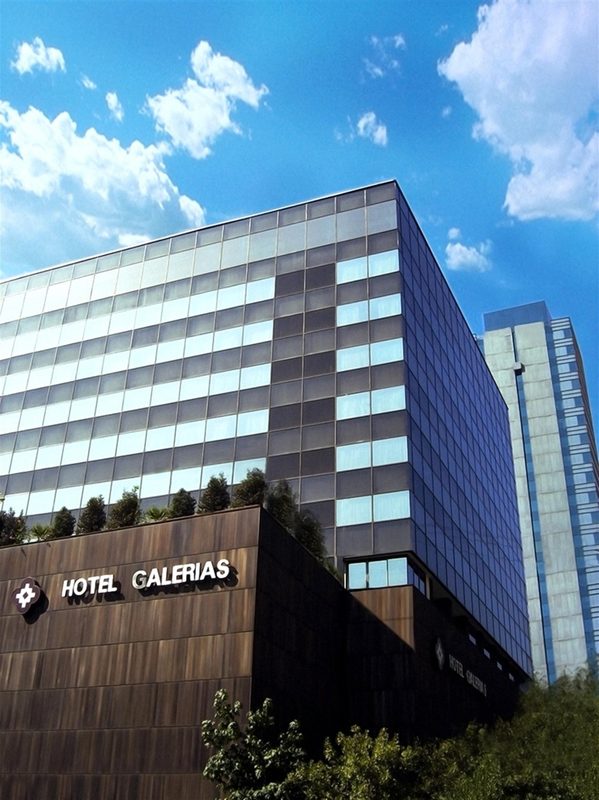
★★★★
Mid-Range
Almacruz Hotel y Centro de Convenciones (Ex Galerías)
From $66 / night
Check Prices on Trip.com →
Public Holidays in July
Dates that affect opening hours, transport and crowds
Virgen del Carmen
Known in English as Our Lady of Mount Carmel. Observed nationwide as a public holiday.
Virgen del Carmen
Known in English as Our Lady of Mount Carmel. Observed nationwide as a public holiday.
Packing Checklist
Bookmark this page — your progress is saved between visits
Need the full list with shopping links?
Climate-specific gear, brand recommendations, and what to leave at home.
View Chile Packing List →Essential Tips
Insider knowledge and common pitfalls to avoid
Insider Knowledge
Santiago's ski resort shuttle buses sell out before beds do. First-timers with confirmed lodging still get stranded, no ride, no skiing. Buses to Valle Nevado and El Colorado leave from Escuela Militar metro station. Morning departures around 7:30, 8:00 AM vanish days, sometimes weeks, before holiday week. Book transport before the lift pass. Never after.
La Tirana's festival runs on cash, pure local economy. No cards, no apps. The food stalls? All Tarapacá locals. Their empanadas de queso, hot, crisp, salty, pair well with fresh-squeezed orange juice from street carts. Both worth every peso. Here's the catch. The nearest bank with working ATMs sits in Iquique, 80 km (50 miles) back down the highway. No exceptions. Bring enough cash for the entire visit, not just what you think you'll spend.
July is Santiago's secret. Mercado Central, that iron-and-glass fish cathedral from 1872, loosely modeled on London's Crystal Palace, swallowing a full city block near the Río Mapocho, finally belongs to locals. The outer ring fish counters sell straight to cooks. Prices beat the sit-down restaurant stalls inside every time. Caldillo de congrio, the thick conger eel chowder Pablo Neruda once wrote an ode to, tastes better here than anywhere else in Santiago. Summer tour groups vanish in July. The market returns to the people it was built for.
Portillo's all-inclusive deal hasn't changed since 1949, and it breeds a scene you won't find at any other South American ski hill. Guests eat shoulder-to-shoulder, Chilean grandparents, U.S. ski-team kids, World Cup racers tuning edges for the next downhill. Day-trippers from Santiago can ride the lifts. But the real vibe lives in the hotel. You'll pay more than at the Farellones resorts. Yet Laguna del Inca, an Andean crater lake that freezes to bottle-green in winter, makes the surcharge feel like a bargain.
Avoid These Mistakes
San Pedro de Atacama sits at 2,400 m (7,874 ft). Most tours go higher, the Tatio geysers hit 4,500 m (14,764 ft), ALMA sits at 5,000 m (16,404 ft). Travelers flying straight from sea level who attempt high-altitude excursions on day one or two regularly get hammered. Headache. Nausea. Shortness of breath. The symptoms sideline them during the part they planned most carefully. Building in 24, 48 hours of light activity at San Pedro's elevation before hitting the high sites isn't cautious overcorrection. It is how you'll enjoy the trip.
Show up at Torres del Paine in July expecting summer trail photos and you'll walk straight into a snow-covered W Trek. Several refugios close entirely. Wind snaps past 100 km/h (62 mph) on exposed ridgelines, every time. The park stays open. Certain day hikes remain accessible and impressive in winter conditions. But travelers who pack for the full multi-day circuit, dreaming of those November shots, create the exact situations the park administration handles every July.
Fly into Iquique on July 16th and you'll land in a city that's already full. The Fiesta de La Tirana drags 150,000, 250,000 visitors into a patch of desert with almost no beds, and every room in Iquique is gone 4, 6 weeks before the drums start. The old "book the flight, find a room later" trick, brilliant in March, ends with you steering west at midnight, 80 km (50 miles) from La Tirana, still hunting a mattress that no longer exists.
Ready to plan your trip to Chile?
Now that you've got the research covered, here's where to go next.