
Things to Do in Chile in October
October weather, activities, events & insider tips
Low Season · Budget Friendly
October Weather in Chile
Temperature, rainfall and humidity at a glance
66°F (19°C)
High Temp
48°F (9°C)
Low Temp
0.2 inches (5 mm)
Rainfall
70%
Humidity
Is October Right for You?
Weigh the advantages and considerations before booking
Advantages
- + October visitors who skipped spring never see this. Wildflowers explode across the Central Valley and the pre-Andean foothills, summer regulars can't picture it. The hills ringing Santiago, brown and cracked from the dry winter, turn green overnight. Above 3,000 m (9,843 ft), the Andes keep their fresh snow, reflecting sharp in the city's morning light. Between Santiago and the Maipo Valley, the countryside looks like another country from its August self.
- + October is Torres del Paine's sweet spot, before the December-February summer crush turns every trail into a queue with a view. The refugio system has reopened for the season but hasn't filled yet, which means the W Trek, roughly 70 km (43.5 miles) over four to five days, is walkable without shoulder-to-shoulder foot traffic. Patagonian wind in October remains unpredictable and occasionally severe. Still, the spring light in the far south, long golden afternoons, sudden storm clearings that leave every surface wet and bright, rewards the effort every time.
- + Mid-to-late October, jacarandas explode. Providencia, Ñuñoa, Barrio Italia, dusty purple-pink overnight. The rest-of-year Santiago gives no hint. Cerro San Cristóbal, 880 m (2,887 ft) of park punching up from the grid, demands the funicular at late afternoon. Bloom canopy below you. Snow-capped Andes behind.
- + October is when the Atacama Desert finally behaves. San Pedro de Atacama sits at a perfect 20-24°C (68-75°F), warm enough to roam without January's brutal 30-35°C (86-95°F) that turns Valle de la Luna into a kiln. The skies stay clear. Crowds stay manageable. At dawn, El Tatio geysers explode through cold spring air. For the world's driest landscape, October delivers.
Considerations
- − Torres del Paine will hit you with 100 km/h (62 mph) gusts in October, no warning, no mercy. The park shutters trails on the spot when conditions nosedive. One afternoon here can swing from sun to sleet to clearing. Fixed departure to Easter Island two days later? That is a gamble.
- − October in the Lake District and Chiloé Island means rain, plenty of it. The Valdivian temperate rainforest around Puerto Montt and Osorno squeezes out its final big storms of the season, draping everything in dripping green. Wooden churches on Chiloé still shoot well under bruised clouds. The timbers glow against the gloom. Up by Pucón, Villarrica volcano keeps its summit. But hikers need tolerance for slate skies and boot-sucking mud for most of the month.
- − Snow can still block the high Andean passes into Argentina, anything above 3,000 m (9,843 ft), until early October. If your route crosses Cardenal Samoré or another mountain border, recheck conditions a few weeks out; early-October dumps happen, and closures drag on for days.
Best Activities in October
Top things to do during your visit
Torres del Paine Early-Season Trekking
October delivers Torres del Paine's most useful window. The trekking season just reopened. You'll dodge both winter closure and the December-January crowds that turn Mirador Las Torres base camp into something like a ticketed queue. Most refugios are back, typically from late October, and trails are drying out. The hordes haven't landed yet. The trade-off is real weather risk. Gusts hit 80-100 km/h (50-62 mph) regularly. Snow falls at any elevation. What you buy with that gamble is solitude on the trail, campsites you can book without months of planning, and that sharp southern spring light you won't find anywhere else. Distances are fixed. The full Circuit runs roughly 100 km (62 miles), seven to nine days of walking. The W Trek covers approximately 70 km (43.5 miles) in four to five days. Don't expect to improvise your lodging. The park's reservation system for refugios and campsites is mandatory. Shoulder season slots fill fast, run your bookings through the official system well ahead. Current guided trekking options sit in the booking section below.
Booking Tip: October refugios fill six to eight weeks out, shoulder season packs tighter than spreadsheets suggest. If you haven't logged Patagonia backcountry days, hire a certified guide. Whiteouts switch on in minutes and wind tactics aren't intuitive. Cap the group at eight. Demand UIAGM mountain guides. Check live inventory in the booking section.
Atacama Desert Salt Flat and Geyser Excursions
San Pedro de Atacama at 2,400 m (7,874 ft) altitude is the base for day excursions that range from the accessible to the extreme. The Los Flamencos National Reserve covers the salt flats where thousands of flamingos wade through pink-tinged brine. The Valle de la Luna, carved by wind into shapes that look extraterrestrial, turns copper at sunset in October light. El Tatio deserves specific attention: at 4,320 m (14,173 ft), it's the world's highest geyser field, and the 4 AM departure from San Pedro for dawn eruptions is one of the more worthwhile early starts in South America. In October, the cold air temperatures maximize the steam columns, they dissipate as the morning warms, so arriving late misses the spectacle. Worth noting: UV intensity at altitude in the Atacama runs significantly higher than the UV index of 8 recorded at sea level, given Chile's documented southern ozone thinning. SPF 50 applied properly is not overcaution here. See current tour options in the booking section below.
Booking Tip: El Tatio and Valle de la Luna tours book out in October with four to seven days notice, still worth reserving ahead rather than assuming walk-in availability. For any excursion above 4,000 m (13,123 ft), choose operators whose guides carry supplemental oxygen and who run proper acclimatization protocols. Altitude sickness at these elevations is incapacitating and not rare. See current options in the booking section.
Maipo Valley and Casablanca Valley Wine Tours
October in Chile's wine country beats the February-March circus. No harvest hype, just budding vines, pale green against brown Andean foothills, and winemakers who'll talk to you. The Maipo Valley, 30-45 km (18.6-28 miles) south of Santiago, still grows the Cabernet Sauvignon that made Chile famous. Drive south on Ruta 5 into the wine corridor between Pirque and Buin, takes less than an hour from the city. Casablanca Valley, 90 km (55.9 miles) west toward Valparaíso, stays cool from Pacific fog. Their Sauvignon Blanc and Pinot Noir have shocked critics who'd written off Chilean whites. Spring green countryside, winemakers with time, no harvest crowds, October delivers. See current wine tour options in the booking section.
Booking Tip: Skip the wheel in Maipo Valley, self-drive is fine there. Pair Casablanca Valley with Valparaíso in one day and you'll hit a wall of traffic, maps, and post-tasting reflexes. Organized tours shoulder the logistics and keep you off Chilean highways after the third pour. Reserve four to six days ahead for October departures. Demand covers at least three wineries. Verify the guide talks production, not just pouring.
Easter Island Moai and Archaeological Site Tours
October beats December-February. Easter Island sits 3,700 km (2,299 miles) off the Chilean coast in the South Pacific, and October tends to offer better access than the summer peak, when international arrivals compress the island's limited accommodation and cluster at Ahu Tongariki, the row of 15 restored moai, in numbers that ruin the moment. In October, the island's roughly 7,000 permanent residents aren't outnumbered, and the weather stays mild for coastal walks between sites. Rapa Nui National Park now limits daily visitors and requires permits tied to confirmed accommodation. Book these through the official system well before arrival, as the system fills independent of the tourist season. The major sites, Rano Raraku (the quarry where the moai were carved, still surrounded by partially finished statues), Ahu Akivi (the only platform with moai facing the ocean), Orongo (the ceremonial village perched at the edge of a caldera above the Pacific), reward slow exploration, and October's lighter crowds make that possible. See current tour options in the booking section.
Booking Tip: Five hours from Santiago on LATAM, expensive, always. Book eight to ten weeks ahead or forget reasonable availability. Island accommodation is limited. October isn't peak, but Easter Island is too small for chance. Check current guided options in the booking section.
Valparaíso Cerro Walking and Street Art Routes
Valparaíso, 120 km northwest of Santiago, gets dismissed as a half-day stop. Don't. Ninety minutes by bus or car lands you in a city that demands more. The port climbs 42 named hills above the flat commercial core. The old way up? The ascensores, 19th-century funiculars painted in sun-bleached colors, rattling past apartment blocks and commissioned murals. They creak. They work. They're perfect. October's spring light slices across Cerro Alegre and Cerro Concepción at angles summer never manages. Cafés fill with locals. Galleries breathe. The tour-bus convoys from Santiago haven't started, they'll arrive in December. Street art here isn't graffiti. Fifteen-plus years of evolution have turned walls into canvases. Latin American artists paint large-scale murals across Cerro Alegre and spill onto neighboring cerros. Get lost. You'll find more. UNESCO listed the historic quarter in 2003. It hasn't been scrubbed clean. Cargo ships still dock. Stevedores still swear. Character intact. Plan on three to four hours to walk the cerros properly. Check current tour options in the booking section.
Booking Tip: Skip the day trip. Valparaíso after dark is the point, Cerro Alegre's bars don't wake until 11 PM, when cueca and cumbia spill from doorways onto regulars who've claimed their stools for years. Stay over. At 6 AM the port moves without Santiago's crowds, forklifts beeping, gulls wheeling, coffee carts already set up. Book your room two to three weeks ahead for October weekends. Anything closer and you'll be sleeping on a bus back to Santiago.
Lake District Volcano Trekking and Thermal Springs
October turns the Lake District green, Temuco south to Puerto Montt, 700 km (435 miles) from Santiago, and Pucón on Lago Villarrica becomes the action hub. Volcán Villarrica at 2,847 m (9,341 ft) is still alive, last blew in 2015, and leaks sulfur every day. Guided climbs demand crampons, ice axe, and a five-to-seven-hour round trip to a crater rim where lava glows for real, no tricks. October snow depth on the upper cone shifts yearly. Guides check conditions daily before green-lighting trips. Pad your Pucón plans with a spare day, non-negotiable. Nearby thermal springs deliver drama: Termas Geométricas slices into a tight river canyon, red boardwalks linking thermal pools at graduated temps, one of South America's best-designed outdoor soaks. Huerquehue National Park, 35 km (21.8 miles) from Pucón, erupts with spring wildflowers and araucaria monkey puzzle forests that Chile protects as a national monument. The ancient trees, some over a thousand years old, give the park a prehistoric feel the central valley can't touch. Check the booking section for current activity options.
Booking Tip: Volcán Villarrica summit climbs demand solid physical fitness and accept weather cancellations with 24 hours notice. This is a real volcano with objective hazard, not a nature walk, look for operators with UIAGM or equivalent certified mountain guides. See current options in the booking section.
Explore More Activities in Chile
Didn't see anything interesting yet?
Browse Viator's full catalog of tours, day trips, food experiences, and private guides in Chile.
See All Chile Tours on ViatorWhere to Stay in Chile in October
Hand-picked hotels across price tiers for October travellers.
★★★★
Mid-Range
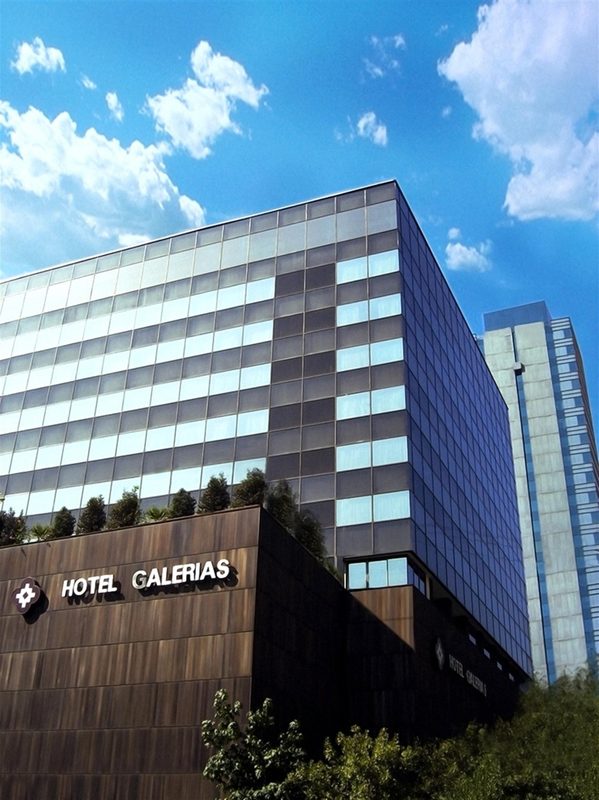
Almacruz Hotel y Centro de Convenciones (Ex Galerías)
From $66 / night
Check Prices on Trip.com →
Public Holidays in October
Dates that affect opening hours, transport and crowds
Día del Descubrimiento de Dos Mundos
Known in English as Columbus Day. Observed nationwide as a public holiday.
Día Nacional de las Iglesias Evangélicas y Protestantes
Known in English as Reformation Day. Observed nationwide as a public holiday.
Día del Descubrimiento de Dos Mundos
Known in English as Columbus Day. Observed nationwide as a public holiday.
Día Nacional de las Iglesias Evangélicas y Protestantes
Known in English as Reformation Day. Observed nationwide as a public holiday.
Día del Descubrimiento de Dos Mundos
Known in English as Columbus Day. Observed nationwide as a public holiday.
Día Nacional de las Iglesias Evangélicas y Protestantes
Known in English as Reformation Day. Observed nationwide as a public holiday.
Packing Checklist
Bookmark this page — your progress is saved between visits
Need the full list with shopping links?
Climate-specific gear, brand recommendations, and what to leave at home.
View Chile Packing List →Essential Tips
Insider knowledge and common pitfalls to avoid
Insider Knowledge
Mid-October. Santiago's jacarandas erupt in purple-blue canopies that won't return for another year, so book accordingly. The bloom shifts by one to two weeks annually, which is why locals stalk Barrio Italia and Providencia daily. Avenida Italia and Calle Condell become tunnels of violet. Walk them or miss the show. Once the petals drop, that's it, two to three weeks, gone. Ride the Cerro San Cristóbal funicular at 5 p.m. The Andes rise behind you, the jacaranda haze spreads below, and the queue is worth every minute.
Torres del Paine's refugio system fills even in October shoulder season. Don't assume early-season means easy availability, Mirador Las Torres basecamp books out regardless of month. The park entrance fee has also increased substantially in recent years and must be paid at the gate. Carry cash as a backup even if card payment is theoretically possible.
Southern Chile's ozone hole isn't travel-blog hype, it's hard data. UV levels in southern Chile and Atacama altitude run measurably higher than matching latitudes up north. Chilean dermatologists see UV damage in outdoor workers at rates that prove it. SPF 50, reapplied, worn seriously.
October flips the script. Maipo Valley wineries between Pirque and Buin unlock their doors to walk-ins, no appointment, no fuss. Harvest chaos is over. Staff have time. Casablanca Valley needs wheels. Yet colectivos roll out of Valparaíso every 20 minutes. Winemakers aren't racing tanks; they're pruning vines and happy to talk. February crowds? Gone. You will chat with the actual person who bottled your glass.
Avoid These Mistakes
One bag. Three Chilean climates. Santiago to Torres del Paine to the Atacama, the classic triangle, forces you to pack for spring city weather, subarctic wind, and high-altitude desert in the same 23 kg. The clothing systems overlap less than travel blogs promise. Underpacking for Patagonian wind remains the single loudest complaint from first-time visitors to the far south.
Patagonia will punish rigid plans. October storms slam trails shut, ground every helicopter, and trap hikers in refugios for 24-48 hours. I've watched visitors clutch tickets to Easter Island, departure locked two days after the W Trek, then beg for mercy when the sky explodes. They always cut the trek short. One buffer day on each side of any Torres del Paine itinerary isn't luxury; it is survival.
Stop treating Valparaíso as a half-day transit stop between Santiago and the wine valley. The city's painted cerros, the ascensores, and the bar scene in Cerro Alegre, local musicians, neighborhood regulars, no tourist-facing quality collapse, demand an overnight minimum. Quick add-on visitors leave feeling they missed the actual place.
Ready to plan your trip to Chile?
Now that you've got the research covered, here's where to go next.