
Things to Do in Chile in December
December weather, activities, events & insider tips
High Season · Book Early
December Weather in Chile
Temperature, rainfall and humidity at a glance
69°F (21°C)
High Temp
51°F (11°C)
Low Temp
0.0 inches (0 mm)
Rainfall
70%
Humidity
⚠ Forest fires spark fast. Parks close without warning. Have indoor backups: museums, wineries, ice cream.
⚠ The ozone hole hovers over the south. UV burns skin in under 15 minutes. Slather SPF 50. Reapply. Wear a hat.
Is December Right for You?
Weigh the advantages and considerations before booking
Advantages
- + December in central Chile means 14-15 hours of daylight, enough to hike, nap, and still chase golden light. Push south and the clock stretches further. Torres del Paine keeps usable light until nearly 10 PM. Trekkers finish a brutal W Trek morning, nap off the pain, then photograph granite towers in warm evening glow that winter visitors simply can't reach.
- + December is Torres del Paine's sweet spot. Refugios hum with full staff, snow has quit the mid-altitude trails, and Mirador Las Torres stands ready, no crampons required. January brings warmth and measurable crowds. December nails the balance: full access, sane foot traffic.
- + December nights in Atacama Desert plunge to 2-5°C (36-41°F). Not the bone-cracking -10°C (14°F) of midwinter. This difference means you'll stand under the stars around San Pedro de Atacama without your teeth chattering through the world's best night sky. The plateau rides at 2,400 m (7,874 ft) above sea level, zero light pollution. The Milky Way core hangs overhead as a naked-eye band, not some camera trick.
- + Cerro Alegre at midnight, you'll see why Valparaíso's New Year's Eve fireworks own South America. The city's 42 cerros fold into a natural harbor amphitheater, and the display launches from ships anchored in the bay. Watching from Cerro Alegre or Cerro Concepción lifts you above the crowd with a panoramic view that the waterfront simply cannot match.
Considerations
- − Forget spontaneity, Torres del Paine's W Trek refugio and camping system books out 6-8 months ahead. December slots? Committed by July at the absolute latest. No exceptions. Showing up without a reservation isn't impossible. Designated free camping zones exist. They fill by early afternoon during peak season. First-timers clutching older guidebooks often miss this: the quota system now strictly enforces these limits.
- − Mid-December flips Chile's coast. School holidays start, and beach towns from La Serena to Pichilemu jack prices 40-60% overnight. Weekend restaurants sprout queues that didn't exist weeks earlier. Popular beach parking becomes a genuine logistical challenge. The mood is festive, energetic, just don't expect quiet.
- − The camanchaca marine fog owns December along Chile's central Pacific coast. Dense, cool, relentless. It parks over Valparaíso and coastal Atacama until mid-morning, sometimes noon, turning the sky opaque at 8 AM, brilliant blue by 1 PM. Shoot coastal photos after lunch. Hit the beach after lunch. Mornings? Use them. Inland museums, markets, cerro neighborhoods, they're better when the fog's still squatting on the water.
Best Activities in December
Top things to do during your visit
Torres del Paine W Trek and Mirador Las Torres Day Hike
December is your smartest bet for the W Trek. Snow stays off middle-elevation trails, lenga beech trees blaze in full summer green, and the park's refugio network operates at full capacity. The signature hike, roughly 4 hours each way to Mirador Las Torres, hands you the postcard view of three granite towers mirrored in the glacial lake below. On a clear December morning, light strikes those towers around 7 AM and holds steady until noon before the wind arrives. That wind is what rookies miss: Patagonian gusts regularly hit 80-100 km/h (50-62 mph) on exposed ridgelines with zero warning. It dictates the day in ways a Santiago forecast won't explain. Day hikers reach the mirador with a park entry permit only. The complete W Trek demands advance refugio booking through Conaf-registered operators. Check current choices in the booking section below.
Booking Tip: The W Trek's refugio and camping permits open roughly 6-8 months before the December season, secure these by June or July at the latest. Miss this window and you're out of luck. Day hikers need only a park entry permit, available at the park administration office near Lago del Toro. Simple enough. But they should arrive at the Las Torres trailhead by 6 AM to stay ahead of guided group departures. The difference between solitude and a conga line. See current tour options in the booking section below.
Atacama Desert Stargazing and Altiplano Lagoon Circuits
December in San Pedro de Atacama delivers the year's best stargazing, cold enough for razor-sharp skies yet warm enough you won't freeze solid. The plateau gets less than 15 mm (0.6 inches) of rain yearly, sits at 2,400 m (7,874 ft), and on a moonless December night the Milky Way core looks impossible to anyone raised under city lights: a visible structural band, not some faint smear. Licensed observatories run nightly sessions with pro-grade telescopes, Spanish or English commentary included. Daytime brings the altiplano lagoon circuit, Lagunas Miscanti and Miñiques at 4,200-4,500 m (13,780-14,764 ft) hold shallow mineral-rich water that flares orange and pink at sunset, flamingos ignoring both altitude and cold. Acclimatization matters more than most expect: two full days at San Pedro's base elevation before tackling the high circuit prevents the headaches and nausea that cut one in five trips short.
Booking Tip: December stargazing sessions book solid 1-2 weeks out. The 10:30 PM slots give you fully dark-adapted skies, request them over the 8:30 PM crowd every time. Altiplano lagoon tours roll at dawn, 5:30-6 AM sharp, dodging brutal afternoon winds at altitude. Use only Sernatur-certified operators. Check current options in the booking section below.
Easter Island Moai and Archaeological Site Circuits
3,700 km (2,299 miles) from Chile's coast, Rapa Nui floats alone in the South Pacific. December throws nearly 13 hours of light at you, enough to rewrite every schedule you've planned. The moai at Ahu Tongariki, 15 stone figures on their restored platform, the island's largest standing group, face east. Their December sunrise hits different than photos promise. Be there by 5:30 AM. You'll beat the tour buses, and the silence plus those basalt giants in pre-dawn light justifies every lost minute of sleep. 163 sq km (63 sq miles) of island. Over 900 moai. They're everywhere, lava fields, crater edges, coastal platforms. No corner escapes them. Rano Raraku quarry tells the real story. Nearly 400 unfinished moai still cling to the hillside. Some half-emerge from rock faces like they're fighting their way out. Better than any museum display, this is how they carved them. December traffic stays moderate. Below January and February chaos. On an island with one road loop, that difference matters.
Booking Tip: Mataveri Airport is the world's most remote commercial airport, flights from Santiago sell out by September for December travel, so lock yours in 3 months early. Only licensed Rapa Nui guides can escort you into the protected archaeological zones. Their stories beat any sign you'll ever read. Check the booking section below for current guided tour options.
Colchagua Valley Wine Region Cycling and Tasting Tours
Carménère nearly died out in France. Chile's Colchagua Valley saved it, 180 km (112 miles) south of Santiago, the grape was rediscovered in the 1990s and is now the closest thing Chilean wine has to a signature variety. December hits an interesting moment in the wine calendar: the vines are in full summer green, the grapes are swelling but still weeks from harvest (which comes in March-April), and the valley floor between Santa Cruz and the Andean foothills is easy on the eyes in a way that harvest season, total chaos with equipment and urgency, is not. The cycling routes through Colchagua are mostly flat, passing vineyard gates and roadside stalls selling empanadas de pino that taste of cumin and hard-boiled egg. Mid-week visits to the larger bodegas tend to be calmer than weekends, when Santiago day-trippers drive the tasting room traffic. Staying overnight in Santa Cruz allows you to hit quieter, less-toured vineyards in the early morning before the heat builds.
Booking Tip: Colchagua wine cycling tours through licensed operators book 1-2 weeks ahead for December, no exceptions. Individual vineyard tastings generally require advance appointments. Walk-in access at most estates is not guaranteed. Sernatur-certified operators run combined transport-and-tasting day tours from Santiago. Good for those who prefer not to drive. See current tour options in the booking section below.
Valparaíso Cerros Walking and Street Art Circuit
Valparaíso's 42 hills spill straight into the flat port district, stairs, funiculars, and corrugated-iron houses painted in colors so wild they look fake in photos. They're real. The ascensores are how you move between the plan and the cerros, some running since the 1880s, some restored, all creaking wood and worth every peso. Cerro Alegre and Cerro Concepción pack the city's thickest street art: murals commissioned since the early 2000s swallow entire facades, shifting from political to surrealist to maritime in a single block. Cerro Polanco and Cerro Florida carry newer pieces and thinner crowds. La Sebastiana, Pablo Neruda's house on Cerro Florida at about 200 m (656 ft) above the port, has been a public museum since 1991; climb the roof and you'll see why he picked this hill. December evenings stretch until 9 PM. Time your visit for the late-afternoon light on the harbor, you'll thank yourself.
Booking Tip: Groups of 6-8 hit the sweet spot for cerros walking tours, any larger and the escaleras between neighborhoods become a bottleneck. Sernatur-registered guide associations run two solid tracks: art-history deep dives or neighborhood-context walks that explain how locals live. Want more? Private guides with architectural or literary chops charge a modest premium. Check the booking section below for current walking tour options.
Lake District Volcano Hiking and Lake Kayaking
December is when Chile's Lake District hits its stride, stretching 400 km (249 miles) from Temuco south to Puerto Montt. Volcán Villarrica towers 2,847 m (9,341 ft) above Pucón, accessible for summit climbs November through March. The 5-6 hour round trip crosses snow and volcanic ash. Certified guides provide crampons and ice axe. An active crater vents sulfurous smoke you'll smell during the final 200 m (656 ft) approach. Few places let you legally stand on an active volcano's rim. On clear days, the view spans 100 km (62 miles) across blue lakes and snow-capped cones. Lake Llanquihue near Puerto Varas spreads across 870 sq km (336 sq miles), dead calm in December for full-day kayak circuits past Frutillar's Germanic-influenced lakefront. Volcán Osorno's 2,652 m (8,701 ft) cone reflects in the water when morning light holds.
Booking Tip: Villarrica summit climbs cancel 40-50% of the time, wind and crater activity shut them down fast. Build a 3-5 day window into your plans. Check the Onemi volcano alert system before you lock in any date. Llanquihue kayak day tours run simpler logistics, you'll book 1-2 days ahead. See current options in the booking section below.
Explore More Activities in Chile
Didn't see anything interesting yet?
Browse Viator's full catalog of tours, day trips, food experiences, and private guides in Chile.
See All Chile Tours on ViatorWhere to Stay in Chile in December
Hand-picked hotels across price tiers for December travellers.
★★★★
Mid-Range
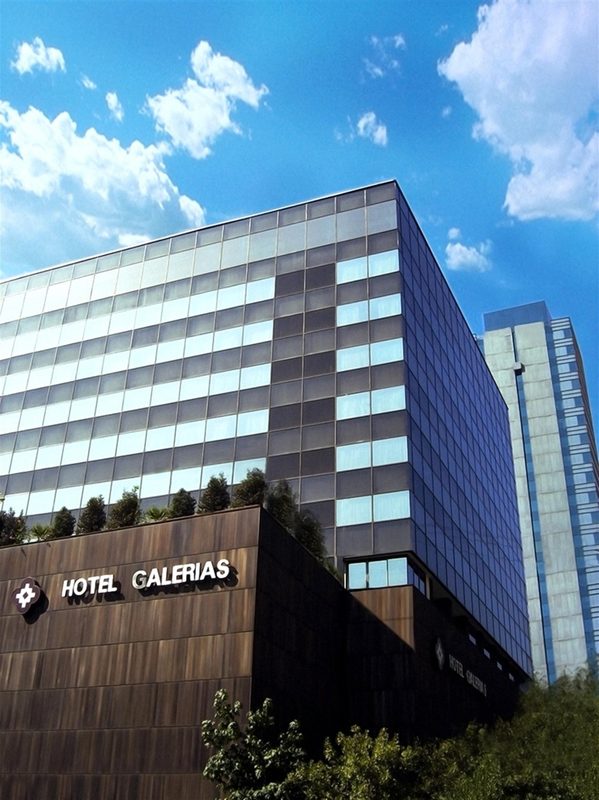
Almacruz Hotel y Centro de Convenciones (Ex Galerías)
From $66 / night
Check Prices on Trip.com →
Public Holidays in December
Dates that affect opening hours, transport and crowds
Inmaculada Concepción
Known in English as Immaculate Conception. Observed nationwide as a public holiday.
Navidad / Natividad del Señor
Known in English as Christmas Day. Observed nationwide as a public holiday.
Inmaculada Concepción
Known in English as Immaculate Conception. Observed nationwide as a public holiday.
Navidad / Natividad del Señor
Known in English as Christmas Day. Observed nationwide as a public holiday.
Inmaculada Concepción
Known in English as Immaculate Conception. Observed nationwide as a public holiday.
Navidad / Natividad del Señor
Known in English as Christmas Day. Observed nationwide as a public holiday.
Packing Checklist
Bookmark this page — your progress is saved between visits
Need the full list with shopping links?
Climate-specific gear, brand recommendations, and what to leave at home.
View Chile Packing List →Essential Tips
Insider knowledge and common pitfalls to avoid
Insider Knowledge
The camanchaca coastal fog that sits over Valparaíso and the central Chilean coast until mid-morning creates lighting conditions clear-sky afternoons can't match. This fog layer diffuses early light in ways local photographers call 'luz filtrada', harbor facades, brightly painted cerro houses, and the wooden ascensor tracks catch this quality around 9-11 AM during the burn-off period. Photographing the city? That window is worth the early alarm, even when the sky looks unpromising at 7 AM.
Santiago empties in late December. Residents bolt for beaches and lake destinations, summer starts now. The city itself loosens up. Traffic drops. Substantially. The Museo Nacional de Bellas Artes and the Museo de Arte Contemporáneo run with shorter waits. Barrio Lastarria, normally dense with weekend visitors, becomes easy to move through. If Santiago is on your itinerary, the last two weeks of December are an underrated time to be there.
San Pedro de Atacama's stargazing observatory slots in December fill fastest at the 10:30 PM hour. The 8:30 PM sessions are more available and more heavily marketed. But your eyes need roughly 30-45 minutes to fully dark-adapt after leaving artificial light. This means the earlier time slot catches you at partial adaptation. The 10:30 PM session lets you arrive fully adjusted, a meaningful difference when you're paying for telescope access to a sky this good.
Torres del Paine's free camping zones along the W Trek circuit fill by early afternoon during peak December. The park's quota enforcement is strict and was introduced relatively recently, meaning a significant number of visitors each season still arrive with older itinerary plans that assume the walk-in camping that was possible a decade ago. Check the current booking requirements through the official Conaf website before finalizing any W Trek plan, this is not a detail to discover at the trailhead.
Avoid These Mistakes
Chilean summer packing fails when travelers ignore the country's 4,270 km (2,653 mile) length. Thirty-eight degrees of latitude, roughly Morocco to Finland, means December weather shifts dramatically by region. Santiago at 33°S delivers dry, warm days averaging 28-30°C (82-86°F). Puerto Natales near Torres del Paine sits at 52°S with 12-16°C (54-61°F) averages and wind gusts hitting 100 km/h (62 mph). Patagonia-bound visitors who pack for Santiago arrive underprepared, uncomfortable at best, logistically disruptive at worst.
Torres del Paine accommodation sells out before flights, book both 6-8 weeks ahead. The W Trek refugio system and Conaf-registered camping permits for December? Gone 6-8 months early. First-time visitors land in Puerto Natales with tickets bought, then scramble for rushed day trips covering one-quarter of the circuit. Patagonia logistics must come first in your planning sequence.
Altitude will wreck your Atacama itinerary if you ignore it. San Pedro de Atacama sits at 2,400 m (7,874 ft), totally manageable with one slow acclimatization day. The altiplano lagoon circuits at 4,200-4,500 m (13,780-14,764 ft) are a different physiological situation entirely. Visitors who arrive in San Pedro and join a lagoon tour the next morning frequently develop headaches, nausea, and breathlessness severe enough to cut the tour short, a problem that two full rest days at base elevation would've prevented completely.
Ready to plan your trip to Chile?
Now that you've got the research covered, here's where to go next.