
Things to Do in Chile in May
May weather, activities, events & insider tips
Shoulder Season · Good Value
May Weather in Chile
Temperature, rainfall and humidity at a glance
69°F (21°C)
High Temp
44°F (7°C)
Low Temp
1.3 inches (33 mm)
Rainfall
70%
Humidity
Is May Right for You?
Weigh the advantages and considerations before booking
Advantages
- + The Lake District around Pucón and Villarrica in autumn, copper and rust. You don't expect this from South America. The lenga and ñirre beech trees turn against volcanic slopes, smoke from Villarrica drifts sideways in cool air, and forest trails toward the hot springs (termas) are carpeted in fallen leaves by mid-May. Summer crowds are gone. The refugios still have staff. It might be the single best month to experience this part of southern Chile, and most travelers miss it entirely because the guidebooks lead with summer.
- + May beats high season in the Atacama. Summer at 2,400 m (7,874 ft) pounds harder than Santiago ever warns, altitude gives the sun actual weight. By May, San Pedro de Atacama hovers at 18-20°C (64-68°F), air dry and still, while Salar de Atacama turns mirror-bright beneath a cobalt sky that photographers plan whole calendars around. Nights on the altiplano sink below freezing. That is the deal. The cold, clear air and zero light pollution for 200 km (124 miles) in any direction strip the Milky Way bare, visible from the edge of town without a lens.
- + Shoulder-season Chile in May slashes hotel prices across Torres del Paine, Santiago, the wine regions, Easter Island, and you can book the same week. Restaurants in Santiago's Barrio Italia and Barrio Lastarria still fill on weekends. Yet the wait is minutes, not hours. On trail and lookout you'll meet travelers who did their homework, not package crowds being shuttled through.
- + May in wine country feels like eavesdropping on a secret. Colchagua Valley and Maipo Valley have just finished crushing, new vintage slumbers in barrel, the sharp-sweet tang of fermentation drifts over the bodegas, and the winemakers have finally crawled out of harvest chaos with time to talk. Vine leaves flare scarlet and gold against the Andean foothills. Near Santa Cruz, smaller family-run Colchagua Valley wineries open barrels for tasting only in May, pouring wine that is months away from a bottle.
Considerations
- − By May, Patagonia starts pulling the plug on visitor infrastructure. Refugios along the W and O Circuits at Torres del Paine close between May 1 and May 15. Ferries in the southern fjord region slash schedules. Torres del Paine is your centerpiece? Treat May as a hard stop. Come during the first two weeks. Pad your itinerary with contingency days for weather delays. Show up in the last week and the window may already be shut. This isn't about moody weather, it is a fixed operational calendar.
- − May flips the switch on Chile's central valley and Santiago. Ten rain days, not a monsoon, just a steady grey parade from the Pacific. No quick showers. Plans bend. A Cerro San Cristóbal hike can open under blue sky, then drown you in a two-hour drizzle that laughs at your light jacket. Upside: the city's coffee culture shines. Roasters near Mercado Central. Cafés folded into Barrio Lastarria's art nouveau bones. Good for afternoons like these.
- − Missing a southern connection in May happens more than schedules admit, Patagonian weather doesn't care about your itinerary. Chile stretches 4,270 km (2,653 miles) from the Atacama to Cape Horn, roughly London to Tehran. Yet domestic air links remain scarce. Link San Pedro de Atacama with Pucón and Torres del Paine and you'll rack up multiple flights plus brutal transit time. Getting between Chile's far-flung regions in May demands serious planning.
Best Activities in May
Top things to do during your visit
Villarrica Volcano Hiking & Lake District Hot Springs
Pucón in May reveals what summer hides. The lenga beech forests inside Villarrica National Park blaze amber and rust. The volcano's steady summit plume catches low autumn light. After a cold-morning forest walk, a mountain hot spring soak quits feeling like a tourist checkbox and starts feeling like medicine. The volcano, one of South America's most active, with a persistent lava lake at the summit crater at 2,847 m (9,341 ft), remains climbable in early May with a certified guide and crampons. Autumn snowfall can shut the route with 48 hours' notice, so confirm conditions before you commit. The sulfur smell from upper-slope fumaroles mingles oddly with wet earth and pine as you climb. Even when the summit closes, the lower trails through the araucaria (monkey puzzle) forest, those ancient, otherworldly trees that look like they slipped from a Jurassic landscape, stay open and empty. Day hikes typically run 6-8 hours. The termas resorts around the lake span from rustic forest pools to larger spa operations. The remote ones require their own transport to reach.
Booking Tip: Licensed guides certified by SERNATUR are mandatory for summit climbs, this is law, not marketing. Book 10-14 days ahead. Operators confirm departure the same morning based on weather and crater gas levels. Hot spring day passes at most termas don't need advance booking on May weekdays. See current guided options in the booking section below.
Atacama Desert Stargazing & Geyser Circuit
El Tatio at dawn. The Atacama doesn't photograph this. You're climbing to 4,320 m (14,173 ft) in the dark, -10°C (14°F) biting through every layer, and then, headlights catch it. Eighty-odd columns of steam shoot 6 m (20 ft) into a sky just starting to purple at the edges. Cold, altitude, silence. All at once. May is the month guidebooks ignore. Summer heat at altitude has backed off; San Pedro de Atacama sits easy at 18-20°C (64-68°F) days, dry and perfect. Nights plunge to -3°C to -8°C (27-18°F). That's what makes stargazing sharp instead of brutal, gear up, lie back on Valle de la Luna, feel the stones give back the day's warmth while the Milky Way spills overhead. Hard to beat. Altitude sickness is real. San Pedro lounges at 2,400 m (7,874 ft); El Tatio's 4,320 m (14,173 ft) will punish anyone who hasn't adjusted. One night in Santiago or Calama before you climb cuts the risk by half. UV index still clocks 8 even in autumn Chile at this height, SPF 50+ isn't advice, it's mandatory.
Booking Tip: Even in May's low season, stargazing tours through licensed observatories sell out, book 7-10 days ahead. Multi-day Atacama circuits that roll El Tatio, Salar de Atacama, Valle de la Luna, and the flamingo lagoons into one loop are worth the itinerary consolidation. Check current tour availability in the booking section below.
Colchagua Valley Wine Cellar & Barrel Tastings
Carmenère, the grape France wrote off as extinct, thrives 180 km (112 miles) south of Santiago in the Colchagua Valley around Santa Cruz. Chilean growers discovered in the 1990s that their "Merlot" was the lost Bordeaux cultivar. Now it shares the terraces with Cabernet Sauvignon and a Syrah that still doesn't get its due. Harvest ends by late March or early April, so May is the valley's lull: new juice sleeps in barrel, leaves flare scarlet and gold against the coastal range, and winemakers finally surface for conversation. Barrel tastings at small, family-run bodegas pour wine that hasn't seen a bottle, you're sampling a sketch, not the finished portrait, and the talk is looser, franker. Fog pools on the valley floor at dawn, lifting by 10 AM to an autumn light that carves the hillsides into 3-D. Skip the rental car and ride the weekend Tren del Vino, a heritage train that links Santa Cruz with several vineyard gates. Buy on-site and you'll pay Chilean prices for vinos de parcela, single-vineyard releases that rarely leave the country, while the same bottles abroad cost dramatically more.
Booking Tip: May weekdays? Walk right in, no reservation, at the larger wineries. The small artisan producers and any barrel tasting won't let you past the gate without an appointment. Book through Santa Cruz tour operators or phone the wineries yourself. Budget 6-8 hours plus wheels for a proper wine-route day. Check the booking section below for current organized tour options.
Santiago Market Circuit & Neighbourhood Walking
May in Santiago is when the city slips back into local hands. Mercado Central, the 1872 cast-iron hall whose vaulted ceiling lifts 20 m (66 ft) above the Mapocho River, still dictates what Chile eats. Arrive at 7 AM. Chefs from Barrio Italia crowd the aisles, snapping up sea bass, congrio (the eel Neruda praised. Order it if you see it), and locos while brine drifts through every arch. Skip the polished restaurants under the dome, the outer ring of stalls is where the real market lives. Cross the river to La Vega Central, wholesaling since the late 1800s. Between produce pyramids, shoebox lunch counters ladle cazuela de vacuno and pastel de choclo to workers who need it fast. Barrio Bellavista, pinned to the foot of Cerro San Cristóbal, packs galleries, bookshops, and both of Neruda's houses, La Chascona, his Santiago hideout, into a block you can cover in an hour. Ride the cable car to the 880 m (2,887 ft) summit. On a clear May morning the Andes jump straight up behind the grid, close enough to startle every first-timer.
Booking Tip: Skip the advance booking for markets and the San Cristóbal cable car. Arrive by 9 AM, mountain views are clearest before afternoon haze rolls in. Organized food market and neighbourhood walking tours run most days. You'll need 24-48 hours advance booking for those. See current options in the booking section below.
Torres del Paine Early-May Trekking
The window is closing. That's exactly why you should be here. By early May, Torres del Paine in Patagonia's Última Esperanza province sits nearly empty while everything still runs. The famous granite towers, rising 2,500 m (8,202 ft) from the pampas in a wall that looks impossible, catch autumn light at angles December and January visitors never witness. Patagonian weather does what it wants: sun, horizontal rain, 80 km/h (50 mph) wind can cycle through any afternoon. The W Circuit (50 km / 31 miles over 4-5 days) remains possible in early May. Most refugios shut around May 10-15, so dates matter. The day hike to Mirador Las Torres base, roughly 18 km (11 miles) round trip, delivers the park's single best standalone hike, with vertical granite faces mirrored in the tarn when conditions align. The lenga forest turns pure gold during May's climb. Pack for everything in one day: base layers, waterproof shell with sealed seams, gloves, gaiters. This suits hikers who navigate wet trails and manage themselves in shifting weather, not because it's technical. But because conditions will test your gear and your decisions.
Booking Tip: CONAF's gate doesn't care how far you flew. No advance booking? You're walking back to Puerto Natales, happens even in May. The online system sells out fast. Walk-ups get turned away without mercy. Refugio beds vanish quicker than the wind. Book before you land, and double-check which refugios are still open on your exact dates. Some close early. Some never reopen. Three weeks ahead is the absolute minimum. Four is safer. Guided trekking options? They're listed below in the booking section, grab them while they're still there.
Easter Island Archaeological Circuit
May on Easter Island (Rapa Nui) is the traveler's secret. 3,700 km (2,300 miles) from Chile, the island slips into a calm pocket after the January-February Tapati Rapa Nui chaos. No crowds jam Hanga Roa now. Rooms open up without the months-ahead scramble. Autumn settles at 22-25°C (72-77°F), humidity drops, and four to six hours of walking the archaeological circuit feels like a breeze instead of a death march. Ahu Tongariki at 6:30 AM is yours alone. Fifteen moai face east, waiting for sunrise. Silence. Only Pacific swells smack the rocks 50 m (164 ft) below. The figures, 4 m (13 ft) on average, loom larger when no selfie sticks block the view. Rano Raraku quarry eats 2-3 hours but gives back more. Roughly 400 moai lie half-carved, frozen mid-task. Walk the slope, read the stone, and you'll piece together how they were shaped, hauled, and why the entire operation simply quit. The island is tiny: 24 km (15 miles) tip to tip. Rent a scooter and knock off the main circuit in a single day. LATAM flies direct from Santiago in about 5.5 hours. May service drops to two or three weekly flights, book early or you're stuck.
Booking Tip: You won't get past the gate without an advance online reservation through the Rapa Nui management system, visitor caps are real. LATAM flights from Santiago sell out 3-4 weeks ahead even in low season because there just aren't enough seats. Hire a licensed Rapa Nui guide for the archaeology tours. Their oral history and context make ruins talk in ways solo wandering can't touch, half-day well spent. Check current options in the booking section below.
Explore More Activities in Chile
Didn't see anything interesting yet?
Browse Viator's full catalog of tours, day trips, food experiences, and private guides in Chile.
See All Chile Tours on ViatorWhere to Stay in Chile in May
Hand-picked hotels across price tiers for May travellers.
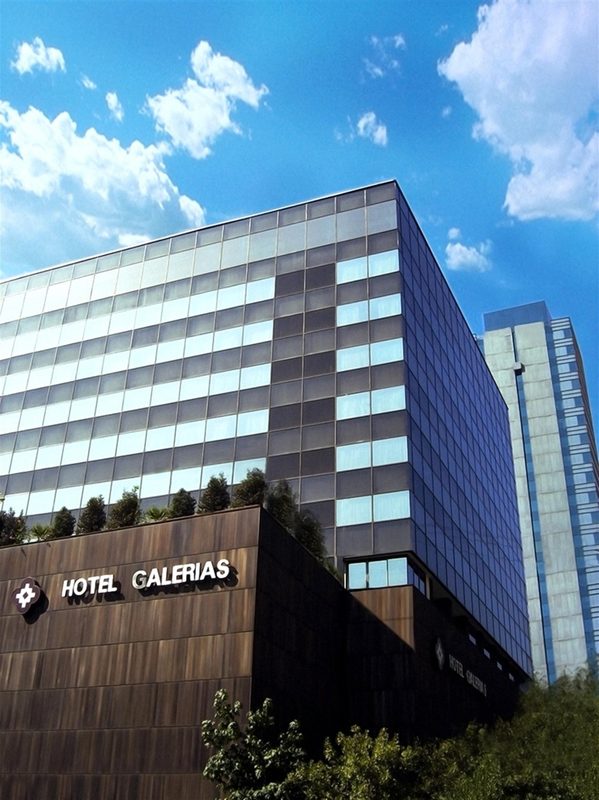
★★★★
Mid-Range
Almacruz Hotel y Centro de Convenciones (Ex Galerías)
From $66 / night
Check Prices on Trip.com →
Public Holidays in May
Dates that affect opening hours, transport and crowds
Día del Trabajo
Known in English as Labour Day. Observed nationwide as a public holiday.
Día de las Glorias Navales
Known in English as Navy Day. Observed nationwide as a public holiday.
Día del Trabajo
Known in English as Labour Day. Observed nationwide as a public holiday.
Día de las Glorias Navales
Known in English as Navy Day. Observed nationwide as a public holiday.
Packing Checklist
Bookmark this page — your progress is saved between visits
Need the full list with shopping links?
Climate-specific gear, brand recommendations, and what to leave at home.
View Chile Packing List →Essential Tips
Insider knowledge and common pitfalls to avoid
Insider Knowledge
May 21 shuts Chile down, completely. First-timers never see it coming. The day before, May 20, Santiago supermarkets, pharmacies, and ATMs jam tight by late afternoon. Locals stock up like a storm is coming. Book your winery visits, museum tours, intercity bus connections for May 20 or May 22. If you're in Valparaíso on May 21 for the congressional ceremony and naval parade, the hassle pays off. Stuck in Santiago on May 21 with bolted doors and a dead calendar? You'll regret it.
Mercado Central runs on two levels you won't spot until someone spells it out. The outer ring, fishermen, dawn-shift chefs, vendors who've stood there since before first light, is the real market: freshest locos, congrio, reineta (Pacific pomfret), best prices. Step under the ornate cast-iron dome and you're in the inner restaurant zone: tourist-facing, menus tuned for visitors, service to match. Skip the tables. Hit the perimeter counters, order the seafood soups, the empanadas de marisco. That's the move.
Torres del Paine park entry bookings sell out even in May. The CONAF online system forces you to lock in your entry date before you leave home. Turn up at the gate expecting low-season walk-up access and you'll be waved away, no exceptions, no mercy, policy enforced for years. Book your park entry the same week you book your flights.
May on the Carretera Austral, Route 7, the 1,240 km (771-mile) gravel-and-dust spine of Chilean Patagonia from Puerto Montt to Villa O'Higgins, still lets you drive. But the ferries that plug the highway's missing links cut sailings once autumn hits. Hornopirén-Caleta Gonzalo and La Arena-Puelche drop from daily to twice weekly. Miss one and you'll reshuffle every hotel, tank of fuel, and daylight hour. Lock in those ferry times before you lock in anything else.
Avoid These Mistakes
Chile isn't compact, it's 4,270 km (2,653 miles) of razor-thin country, Atacma to Cape Horn, the same haul as London to Tehran. Yet barely 200 km (124 miles) wide. Try to tick off Atacma, Santiago, the Lake District, and Patagonia in 10-12 days and you'll live in airports, land exhausted, and skip the good stuff. Pick one, maybe two regions, and stay. Want the full length? Block 3 weeks minimum and lock domestic flights before you land.
Fly Santiago-Calama-San Pedro in a day and you'll hit 4,320 m (14,173 ft) at El Tatio by sunset, guaranteed headache, nausea, and the altitude insomnia that jolts you awake to check you're still breathing. Santiago sits at 520 m (1,706 ft); San Pedro de Atacama is at 2,400 m (7,874 ft). That 1,900-metre jump in hours is brutal. One night in Calama at 2,260 m (7,415 ft) first makes a measurable difference. Drink two to three liters of water per day at altitude, it helps more than most expect.
Valparaíso is 120 km from Santiago, and the 90-minute bus from Alameda terminal is easier than you think, coaches leave all day. Skip it and you miss the anti-Santiago: 42 cerros of chaos, steep lanes plastered with street art, air thick with Pacific salt, diesel, and coffee roasting in open doorways. The ascensores, clanking funiculars running since the 1880s, still haul passengers up the hills. May is the sweet spot: tourist numbers dive, seafood at the port market hits autumn prime, and Pacific rain saturates the colored tin houses until they glow, an effect bright summer days never deliver.
Ready to plan your trip to Chile?
Now that you've got the research covered, here's where to go next.