
Things to Do in Chile in March
March weather, activities, events & insider tips
Shoulder Season · Good Value
March Weather in Chile
Temperature, rainfall and humidity at a glance
82°F (28°C)
High Temp
51°F (11°C)
Low Temp
0.1 inches (3 mm)
Rainfall
70%
Humidity
⚠ UV index 8: burn time under 15 minutes at midday, reflection off snowfields intensifies exposure. Cover up. Respect the sun.
Is March Right for You?
Weigh the advantages and considerations before booking
Advantages
- + March is when Chile's wine harvest hits fever pitch. Colchagua, Casablanca, and Maipo, the valleys that define the country's wine map, suddenly drop their guard. Wineries that spent eleven months keeping visitors at arm's length now fling open their cellar doors for the vendimia. The Fiesta de la Vendimia in Santa Cruz runs the first two weekends of the month. Fermenting Carménère hangs heavy in the late afternoon heat, a smell that brands March into memory like no other month. This isn't the polished wine country experience, it's the real thing, grapes and all.
- + The crowds vanish overnight. Once Chilean school holidays end in late February, Santiago's Lastarria and Barrio Italia neighborhoods shed their January and February crush. Shoulders stop touching. You can walk without weaving. Suddenly Mercado Central takes reservations again, no need to plan weeks ahead. For a brief window, the city slips back into local hands.
- + March is your last sure bet to reach Torres del Paine National Park before Patagonia's weather turns nasty. The W Trek and the Circuit are still walkable, the refugios are staffed, and Southern Hemisphere summer light hangs on until 9 PM at that latitude, so you'll knock off serious distance without headlamps. April is when the lottery starts: wind, rain, luck. If Patagonia is on the list, March is the final call, not a fallback.
- + March flips the script. The punishing midday heat of Chilean January softens enough that outdoor activity in the Atacama Desert and the Lake District becomes enjoyable rather than an endurance test. The UV index still sits at 8, so caution is warranted. But the afternoons that drove visitors indoors in December are now manageable. The Atacama's salt flats and the terracotta-colored Valle de la Luna around San Pedro de Atacama photograph better in March's cleaner afternoon light. The haze of peak summer has largely dissipated.
Considerations
- − Santiago sits in a bowl ringed by the Andes. By late summer, on still March days, the city traps an inversion haze that drapes over the Providencia skyline. Not as severe as December's smog season. Still, on windless mornings you'll notice it. Those crisp Andean views that dominate winter postcards vanish behind a brown-grey veil. Plan your Cerro San Cristóbal or Cerro Santa Lucía panorama before 9 AM, when the air is clearest. Or accept that the mountains will be suggestions rather than landmarks.
- − March flips the switch in Patagonia, no warning, no mercy. Torres del Paine will hand you three seasons before dinner. The winds? 100 km/h (62 mph) gusts that laugh at forecasts. March straddles the last reliable window. After this, all bets are off. Refugios keep their doors open, trails stay clear. But Lady Luck runs the show. You might score four flawless days. You might spend 48 hours trapped in a refugio while rain drums the tin like a war song. Budget days and nerves for both.
- − March flips the switch. Coastal resorts along the Viña del Mar and Pichilemu stretches slam into off-season mode. Restaurants slash hours overnight. Seasonal beach gear vanishes. The surf-town buzz that makes Pichilemu worth the four-hour bus ride from Santiago fades to a whisper. The Pacific remains swimmable, water temperatures still hover around 17°C (63°F), but you're walking through the ghost of last month's party.
Best Activities in March
Top things to do during your visit
Colchagua Valley Wine Harvest Tours
March is when the real work happens in Colchagua Valley, three hours south of Santiago, anchored by Santa Cruz. Harvest tours run during picking, usually the first three weeks of March for Carménère, Cabernet Sauvignon, and Malbec. Walking vine rows while crews work, fermented-blackberry scent rising in morning heat, tractors hauling bins down lanes, no staged tasting tour can match this. Santa Cruz town is walkable. Museo de Colchagua gives solid valley history. Winery visits feel intimate, less rehearsed than European wine tourism. Smaller scale. Winemakers talk to you, mid-morning when harvest crews break.
Booking Tip: Harvest-period tours fill 3-4 weeks ahead in early March, at smaller producers with limited visitor capacity. Book now. Look for operators running full-day tours from Santiago that include transport. Driving between wineries becomes impossible once tastings start. Go on a weekday if you can. The Fiesta de la Vendimia festival weekends in Santa Cruz draw bigger weekend crowds. See current options in the booking section below.
Torres del Paine W Trek and Day Hikes
March in Torres del Paine is the sweet spot. The W Trek's 80 km (50 miles) still link Base Las Torres lookout to Grey Glacier in four to five days. But now the trails aren't iced, the guanaco herds graze the pampa at dawn, and every refugio stays open. Dramatic scale, that is the Southern Hemisphere's trademark, surrounds you at each turn. The park lies 2,500 km (1,553 miles) south of Santiago in Chilean Patagonia. At sunset the three granite spires climb to 2,850 m (9,350 ft) above the valley floor and burn amber and rose under light that flat midday simply can't match. Can't spare the full trek? The day hike to Mirador Las Torres, 20 km (12.4 miles) round trip, 800 m (2,625 ft) of climbing, works for fit walkers in one long push from the main lodge. Most agree it is the single best day's walking in Chilean Patagonia.
Booking Tip: Refugio accommodation for the W Trek books out months in advance, even March, often mislabeled as the quiet season. Reality check: quieter than January, yes. Empty? Not a chance. Reserve through CONAF-registered concession operators months before you land. Day hikes skip the advance booking headache. Park entrance passes? Those you lock in early. One week out, scan current trail conditions and wind advisories, March storms shut sections without warning. Scroll the booking section below for live guided options.
San Pedro de Atacama Desert and Stargazing
March in the Atacama Desert is cheat-code weather. The brutal midday heat that punishes visitors from December through February drops to a manageable 24°C (75°F) during daylight hours, afternoon exploration becomes actual exploration, not a test of human limits. San Pedro de Atacama, the adobe town that runs this operation, perches at 2,400 m (7,874 ft). The altitude will sucker-punch you even when the air feels fine, plan your first day accordingly. Slow is not optional. Valle de la Luna sits 15 km (9.3 miles) from San Pedro. The salt formations look wrong, like someone dropped Mars terrain into Chile and forgot to clean up. El Tatio geysers sit higher: 4,320 m (14,173 ft). They fire steam columns into the pre-dawn dark around 5 AM, when the temperature at that height hits -5°C (23°F). The contrast between freezing air and boiling vents feels staged, like nature showing off. The stargazing is not a bonus, it's the main event. The Atacama sky ranks among the clearest on Earth, with virtually zero light pollution and more than 300 clear nights annually. The Milky Way stretches naked-eye visible from San Pedro's main street on any decent night.
Booking Tip: El Tatio sunrise tours leave at 4 AM sharp, book the day before or you're out. They sell out year-round, no exceptions. Stargazing tours with telescopes need 5-7 days advance booking; don't wait. If altitude hits you hard, get to San Pedro by late afternoon. Skip the drinks that first night. Eat light. Save the geyser tour for day two. The difference between how you'll feel on day two versus day one at elevation makes the wait worthwhile. Check current tour options in the booking section below.
Easter Island Archaeological and Coastal Tours
March on Easter Island, Rapa Nui in the indigenous tongue, delivers the goods. You're 3,700 km (2,300 miles) from Chile's Pacific coast. Yet sea temperatures hover at 24°C (75°F) through late summer. Snorkeling at Ovahe Beach under volcanic cliffs feels comfortable. The island's 8,000 residents share space with 887 moai statues ringing the coastline and scattered across the interior. No jostling crowds like European heritage sites. None. Ahu Tongariki remains the most significant ceremonial platform, 15 restored moai face inland, Pacific at their backs. Walk 45 minutes from Hanga Roa in darkness. Arrive by 5:30 AM. The sunrise shifts basalt faces from pure black through amber to grey as light builds. This single image, this, is what visitors carry home from Rapa Nui. February's Tapati Rapa Nui festival ends in March. Quieter. Logistically easier. No accommodation pressure.
Booking Tip: Only 2-3 daily flights serve Easter Island from Santiago's Arturo Merino Benítez Airport. Book months ahead, March shoulder season seats vanish fast. The island is tiny. Two wheels beat four. Pedal or scoot past moai in 2 to 3 days, no guide needed for the circuit. But Rano Raraku quarry demands more. Guides decode the stone faces, the collapse, the reboot. Without them you'll see rock. With them you'll hear the island speak. Check current tours below.
Valparaíso Street Art and Port District Walking
Valparaíso sits 120 km (75 miles) northwest of Santiago on a natural bay. The city is 45 hills covered in painted houses and murals accumulated since the port's 19th-century heyday. The mural work isn't decoration, entire hillside staircases, five-story building compositions, detailed neighborhood narratives painted on retaining walls by artists from across Latin America. The cerros of Alegre and Concepción are the most celebrated for their art and architecture. They're connected to the port area below by the Victorian-era ascensores, funicular elevators that still creak upward on wooden cables. March morning fog tends to burn off the coast by 10 AM, revealing the Pacific in the middle distance beyond the container ships. The Mercado Puerto, the port market operating each morning, smells of brine and grilled shellfish from a hundred meters away. Plan a full day minimum. The hills actively reward slow walking and getting briefly lost.
Booking Tip: Skip the reservation. Walking tours of Cerros Alegre and Concepción depart daily in March's shoulder season, no advance booking needed. Morning light before 11 AM makes the murals pop for photography. Day trips from Santiago? Grab a bus or train, 1.5 hours each way, easy to arrange solo. Check the booking section for current guided tour options.
Lake District Kayaking and Volcano Trekking
March is your last shot. Chile's Lake District, centered roughly on Pucón and Puerto Varas, about 800 km (497 miles) south of Santiago, peaks in late summer, and March still grabs the final weeks of that window. The lakes are glacially clear: Lago Villarrica, Lago Llanquihue, and Lago Todos los Santos hold a turquoise transparency that feels impossible until you're in a kayak staring down through 10 m (33 ft) of cold water at volcanic rock below. Volcán Villarrica rises to 2,847 m (9,340 ft) above Pucón and remains one of the few active volcanoes where guides take you to the summit when conditions allow, the climb takes 4-6 hours round trip, demands crampons and ice axes above the snowline, and ends at the rim of a lava lake. Summit conditions in March are generally favorable, though permit availability shifts with volcanic activity monitoring. Puerto Varas on Lago Llanquihue runs at a different, slower register: the reflection of Volcán Osorno at 2,652 m (8,701 ft) in the still morning lake surface shows up in more Chilean tourism photos than any other single image in the country, and for good reason, it tends to stop people mid-stride.
Booking Tip: You cannot climb Volcán Villarrica without a licensed guide, solo attempts are banned, and permits cap guide numbers. Book 1-2 weeks ahead in March. Budget for weather cancellations, they happen. Kayaking on the lakes is easier. Half-day rentals through local outfitters in Pucón and Puerto Varas need no advance booking. See current options in the booking section below.
Explore More Activities in Chile
Didn't see anything interesting yet?
Browse Viator's full catalog of tours, day trips, food experiences, and private guides in Chile.
See All Chile Tours on ViatorWhere to Stay in Chile in March
Hand-picked hotels across price tiers for March travellers.
★★★★
Mid-Range
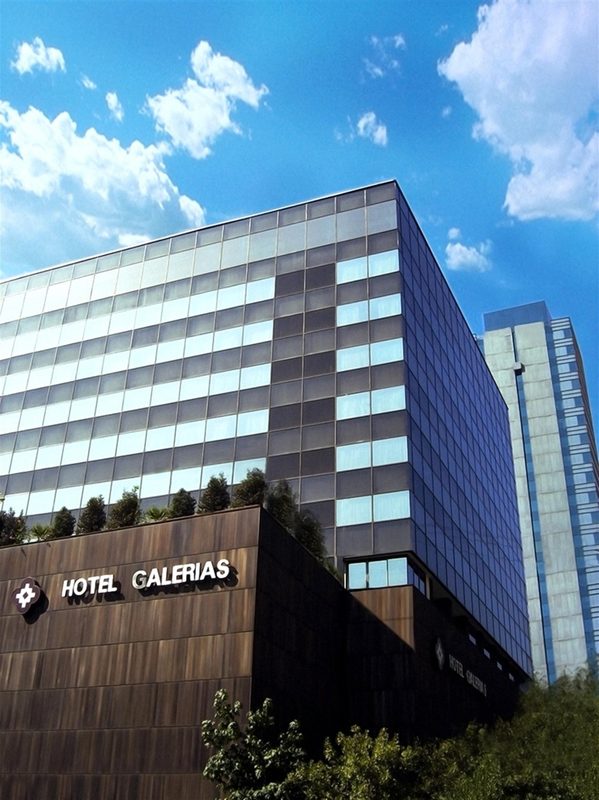
Almacruz Hotel y Centro de Convenciones (Ex Galerías)
From $66 / night
Check Prices on Trip.com →
Public Holidays in March
Dates that affect opening hours, transport and crowds
Viernes Santo
Known in English as Good Friday. Observed nationwide as a public holiday.
Sábado Santo
Known in English as Holy Saturday. Observed nationwide as a public holiday.
Packing Checklist
Bookmark this page — your progress is saved between visits
Need the full list with shopping links?
Climate-specific gear, brand recommendations, and what to leave at home.
View Chile Packing List →Essential Tips
Insider knowledge and common pitfalls to avoid
Insider Knowledge
The Mercado Central in Santiago, the cast-iron market hall built in 1872 for Chile's first World's Fair, runs two tiers of seafood experience, and most visitors pick the wrong one. Perimeter stalls line the the outer ring. Locals buy raw fish and shellfish there to take home. The central restaurant ring in the middle is where visitors sit for cooked meals. Tout pressure is heaviest at the entrances. Walk past the first quarter of restaurants to the back section, more Chileans, fewer tourists, and menus that prove it.
Here's what catches most visitors off-guard: Chilean lunch isn't a snack, it's the day's main event. From 12:30 PM to 3 PM, restaurants nationwide serve the colación, a fixed three-course menu with juice that'll make dinner prices seem absurd. Want one proper sit-down meal daily while watching your wallet? Make it lunch. The workers' restaurants in Santiago's Barrio Italia neighborhood serve solid colaciones in March.
Book Torres del Paine months out, even March trips. The so-called shoulder season is still busy. Walk-ups won't find beds. They won't. The park entrance turns away hopeful hikers daily. Don't be one of them.
Ahu Tongariki at sunrise, arrive by 5:30 AM or miss the shot. The park gate won't wait. Bring a headlamp. The road from Hanga Roa is pitch black and potholed. Easter Island's main archaeological sites, Ahu Tongariki, Ahu Akivi, Rano Raraku quarry, all sit inside Rapa Nui National Park. One entrance fee buys multi-day access. Skip the site kiosks. Buy the ticket at the airport when you land. Same price, half the hassle. Closing hours shift by location. Check before you set out.
Avoid These Mistakes
Chile isn't Europe. Treat it like a city-hop and you'll spend 1,500 km (932 miles) just getting from Santiago to the Atacama Desert, then another 2,500 km (1,553 miles) south to Torres del Paine. Ten days. Atacama, Santiago, the Lake District, Patagonia. Total chaos. Airports. Bus terminals. Exhaustion. Pick two regions. Go deep. Leave the rest for trip two.
Don't treat Chilean wine tourism like Napa Valley, you can't roll up to Colchagua Valley unannounced and expect on-demand tastings. Harvest hits hard in early March. Smaller producers? They're knee-deep in grapes,. Staff vanishes into the vineyards. The best winery experiences in March are the ones you locked down weeks earlier. at smaller producers where you'll watch the harvest develop right in front of you. Show up unannounced at a working harvest winery on a busy March weekend and you'll get the polite-but-firm redirect. Every time.
Flying into Calama at 2,260 m (7,415 ft) and racing straight to El Tatio at 4,320 m (14,173 ft) on day one? That's a losing bet. Your body won't forgive the shortcut. Spend those first 24 hours in San Pedro. Nothing more taxing than a slow walk around town. Drink water until it feels excessive. Skip alcohol entirely that first night. Let acclimatization work at its own pace, no shortcuts, no heroics. Every day that follows in the Atacama becomes markedly better for this discipline. The views don't change. You do.
Ready to plan your trip to Chile?
Now that you've got the research covered, here's where to go next.